A Study on Honesty Turned Out to Be Built on Fabricated Data. The Metadata Named the Author.

Share
A Study on Honesty Turned Out to Be Built on Fabricated Data. The Metadata Named the Author.
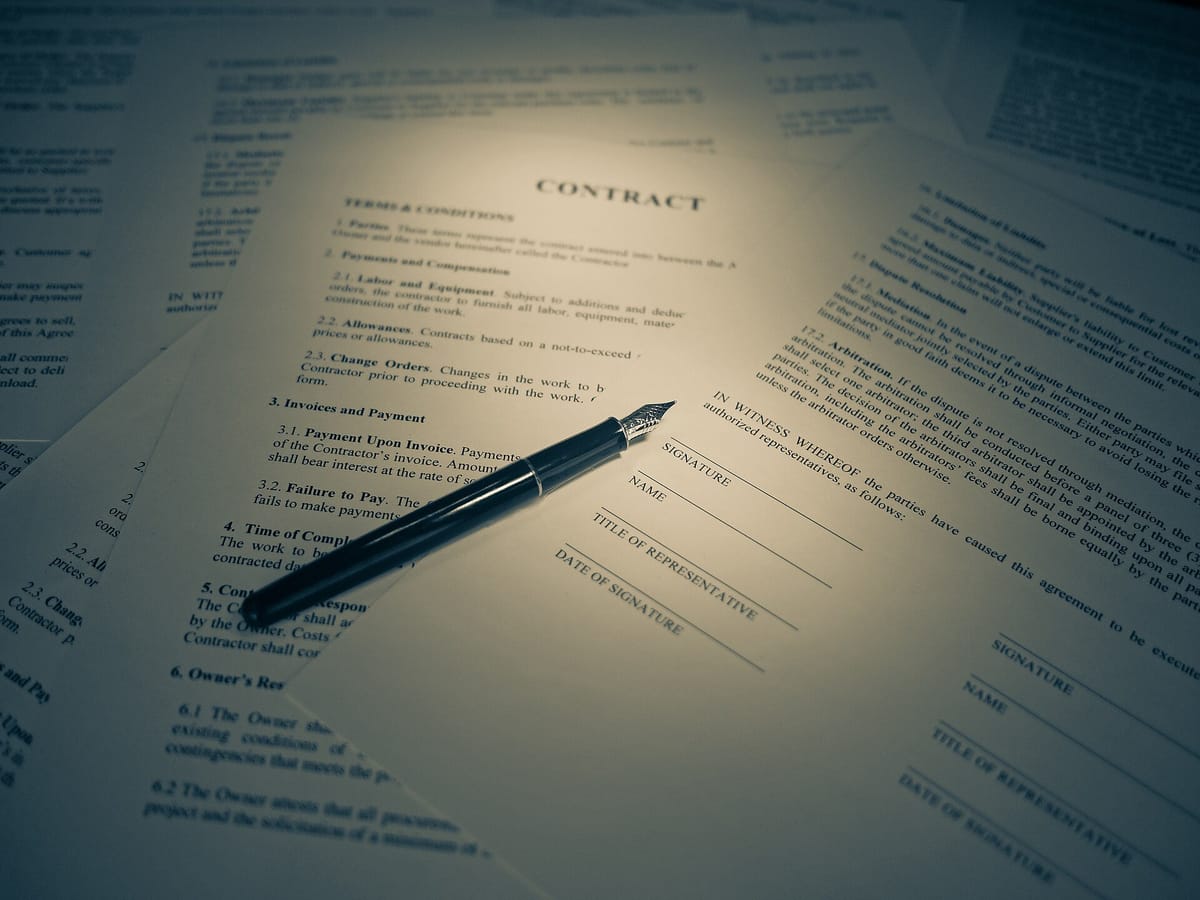
A hand signing a document. Photo: Blogtrepreneur, Wikimedia Commons, CC BY 2.0.

In 2012, a study on honesty was published in one of the most respected journals in American science. It claimed that having people sign an honesty pledge before filling out a form, rather than after, made them report more truthfully — a tidy, citable, real-world-tested finding. Nine years later, three outside researchers proved the underlying data was fabricated. The metadata even said who fabricated it.

Peer Review Doesn't Audit Your Spreadsheet

Academic publishing runs on a good-faith assumption that co-authors don't fabricate results and that peer review isn't built to forensically inspect raw data files — it's built to evaluate whether a claimed finding is plausible and well-argued, not to re-derive it row by row. The 2012 PNAS paper, co-authored by Shu, Mazar, Gino, Ariely, and Bazerman, described a field experiment with an actual auto insurer and became a staple example in behavioral economics — cited hundreds of times, taught in classrooms, and featured in Dan Ariely's own bestselling book on dishonesty.

Two Fonts in One Spreadsheet

In August 2021, the Data Colada team — Uri Simonsohn, Leif Nelson, and Joe Simmons — published an analysis of the study's underlying Excel file that left, in their words, no shadow of a doubt: duplicated rows appeared in two different fonts, Calibri and Cambria, a telltale sign of data pasted in after the fact rather than collected in the field. The file's own metadata showed who had created it and who had last modified it: Dan Ariely.

Nobody Was Checking, Because Nobody Checks

The paper had passed peer review, been cited for nearly a decade, and shaped a subfield's public understanding of how honesty pledges work — and none of that required anyone to look at the raw spreadsheet, because that has never been how the system worked. The fabrication surfaced only because Data Colada went looking for unrelated replication reasons, years after the paper's influence had already been spent.

An Entire Field Now Works Under Suspicion

PNAS retracted the paper in 2021. The fallout went well beyond one author: Data Colada's follow-on posts extended scrutiny to co-author Francesca Gino's broader body of work, Harvard Business School placed her on administrative leave, and the case became a central reference point in behavioral science's ongoing replication crisis. Every honest researcher in the field now works under heavier data-transparency requirements and a background presumption of doubt that one fabricated spreadsheet, sitting uninspected for nine years, did a great deal to create.


Filed from public reporting:

Read more

A Hand-Tightened Blind Flange and a Botched Shift Handover Killed 167 Men on Occidental Petroleum's Piper Alpha Platform in 22 Minutes. No One at the Company Was Ever Criminally Charged.

A Hand-Tightened Blind Flange and a Botched Shift Handover Killed 167 Men on Occidental Petroleum's Piper Alpha Platform in 22 Minutes. No One at the Company Was Ever Criminally Charged.

At around 10 p.m. on July 6, 1988, a pressure safety valve that had been pulled for maintenance that morning let gas condensate leak past a blind flange that had only been hand-tightened. Within 22 minutes, the Piper Alpha platform, 120 miles northeast of Aberdeen in the North

By The Complaints Department
Netflix Spent Six Years Telling Customers Love Is Sharing a Password. Once It Started Charging $7.99 a Month Per Shared Password Instead, Subscriber Growth Hit Its Best Year Since the Pandemic.

Netflix Spent Six Years Telling Customers Love Is Sharing a Password. Once It Started Charging $7.99 a Month Per Shared Password Instead, Subscriber Growth Hit Its Best Year Since the Pandemic.

On March 10, 2017, Netflix's official Twitter account posted four words that would follow the company around for the next six years: "Love is sharing a password." It was a promo tweet for a show called Love, but it was also, unmistakably, a policy statement — an

By The Complaints Department
New York Paused Congestion Pricing for 'Affordability' Weeks Before a 2024 Election, Then Relaunched It at a Lower Price Once Voting Was Over. A Year Later, Traffic Was Down 11 Percent and the Federal Government Was Still in Court Trying to Kill It.

New York Paused Congestion Pricing for 'Affordability' Weeks Before a 2024 Election, Then Relaunched It at a Lower Price Once Voting Was Over. A Year Later, Traffic Was Down 11 Percent and the Federal Government Was Still in Court Trying to Kill It.

On June 5, 2024, Governor Kathy Hochul stood before reporters and "indefinitely paused" New York's Central Business District Tolling Program, the long-planned congestion charge for driving into Manhattan below 60th Street. The launch was three weeks away. Hochul cited affordability concerns for working- and middle-

By The Complaints Department
Twitter Cut Off the Third-Party Apps That Built Its Developer Ecosystem in January 2023 With No Warning. One of Those Apps Coined the Word Tweet and Designed Twitter's Bird Logo Before Twitter Had Either.

Twitter Cut Off the Third-Party Apps That Built Its Developer Ecosystem in January 2023 With No Warning. One of Those Apps Coined the Word Tweet and Designed Twitter's Bird Logo Before Twitter Had Either.

On January 13, 2023, Twitter's API went dark for third-party client apps with no announcement and no explanation. Tweetbot, Twitterrific, Fenix, and others simply stopped working, all at once, for everyone. Developers spent days guessing whether it was a bug, an outage, or deliberate. Four days later,

By The Complaints Department