
Discontinued
Popular enough to build, expensive enough to keep running.

Japan's Conveyor-Belt Sushi Chains Left Plates and Soy Sauce Within Reach of Anyone. One Video From a Gifu Sushiro Knocked ¥16.8 Billion Off the Parent Company's Value, and Sushiro Stopped Sending Round Anything Nobody Had Ordered.
Kaitenzushi, the conveyor-belt sushi restaurant, is a machine for converting trust into lunch. Plates of raw fish travel past strangers at a few kilometres an hour, in the open, with no one watching. A customer takes the plate he wants and leaves the rest. Soy sauce is supplied in


Seattle Spent $5 Million on Five Self-Cleaning Public Toilets in 2004. Four Years Later It Sold All Five on eBay to a Racetrack Owner for $12,549.
Seattle argued about public toilets for years before it bought any. In 2001 the City Council authorised five automated, self-cleaning units as an alternative to portable toilets, and when Mayor Paul Schell vetoed the plan, the council overrode him. Councilman Nick Licata said the toilets would "be beneficial

Apeel's Grape Seed Coating Once Kept Six in Ten American Supermarket Avocados From Spoiling. Then the Internet Found the Safety Data Sheet for a British Degreaser Also Called Apeel.
Apeel Sciences began in 2012 with a $100,000 grant from the Gates Foundation, awarded to a materials scientist named James Rogers to reduce the amount of food that rots between the farm and the plate in countries without reliable refrigeration. A second grant of about $1 million followed in

Australia Paid Up to $1,600 a Home in 2009 to Insulate a Million Ceilings in a Year, Using Installers Who Signed Up Online. Its First Industry Meeting Heard New Zealand Had Tried This and Three People Electrocuted Themselves.
On 3 February 2009 Kevin Rudd announced the Energy Efficient Homes Package, part of a $42 billion stimulus plan meant to carry Australia through the global recession. Its centrepiece, the Home Insulation Program, offered free ceiling insulation worth up to $1,600 a home, with a target of 2.2

Microsoft Released a Chatbot Called Tay on Twitter in March 2016 to Learn How Young Americans Talk by Talking to Them. It Shipped With a Command That Made It Repeat Whatever Anyone Told It to Say.
In China, Microsoft had a hit. Its chatbot XiaoIce was, in the words of Peter Lee, then corporate vice president of Microsoft Research, "being used by some 40 million people, delighting with its stories and conversations." The next question followed, as Lee later put it: "Would an

Smart Home Company Insteon Switched Off Its Servers Without Telling Customers in April 2022. Its Status Page Kept Reporting "All Services Online" While Its Chief Executive Shortened His LinkedIn Name to "R. Li."
Insteon made light switches, plugs, thermostats, sensors and keypads that talked to each other over a proprietary "dual-mesh" protocol, half radio and half household wiring, and to the internet through the Insteon Hub. The hub was what made the app work, along with schedules, remote control and

Panera Launched an Unlimited Self-Serve Drinks Subscription in 2022 Alongside a Lemonade With Up to 390 Milligrams of Caffeine. The Only Limit at the Fountain Was One Cup Every Two Hours.
On 19 April 2022, Panera Bread launched Unlimited Sip Club, which it billed as the first nationwide unlimited subscription for self-serve beverages. For $10.99 a month, members could take one self-serve drink every two hours during café hours, refills included. The menu covered coffee, tea, fountain soda,

Spotify Sold a $90 Dashboard Player, Discontinued It Five Months Later, and Said It Would Keep Supporting the Ones People Owned. In December 2024 It Switched Every One of Them Off.
Spotify released Car Thing in February 2022. It was a small screen that mounted on a dashboard and controlled Spotify, aimed at drivers whose cars were too old to have an infotainment system. It cost about ninety dollars, and it required an active Spotify Premium subscription to do anything at

Twitter Cut Off the Third-Party Apps That Built Its Developer Ecosystem in January 2023 With No Warning. One of Those Apps Coined the Word Tweet and Designed Twitter's Bird Logo Before Twitter Had Either.
On January 13, 2023, Twitter's API went dark for third-party client apps with no announcement and no explanation. Tweetbot, Twitterrific, Fenix, and others simply stopped working, all at once, for everyone. Developers spent days guessing whether it was a bug, an outage, or deliberate. Four days later,

Reddit's API Was Free for 15 Years. Then It Would Have Cost One Developer $20 Million.
Reddit's API had been effectively free since 2008, which is how an entire ecosystem of third-party apps — some of them better than Reddit's own official app — got built on top of it for free, for fifteen years. In April 2023, Reddit announced it would start
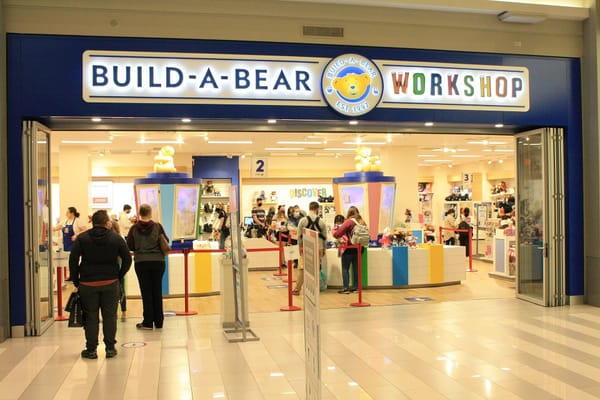
Build-A-Bear's 'Pay Your Age' Day Got So Popular It Had to Be Shut Down Before Lunch
A discount so fair it worked on every age group at once — which is exactly why the stores couldn't handle it.

Blockbuster's 'No Late Fees' Promise (2005)
The ads said no late fees. The fine print said Blockbuster would just charge your card for the whole movie instead.