
Policy Updates
The fine print grew a spine.

The FTC Fined Vizio $2.2 Million in 2017 for Tracking 11 Million Smart TVs Without Consent. The Remedy Was a Consent Screen, and a Peer-Reviewed Study Later Found LG Sets Fingerprinting Whatever Is on Screen Every Fifteen Seconds.
In February 2017, Vizio agreed to pay $2.2 million to the Federal Trade Commission and the New Jersey Attorney General to settle charges that it had collected viewing data from roughly 11 million televisions without telling anyone. The software had been running since February 2014. It recorded what was


Netflix Spent Six Years Telling Customers Love Is Sharing a Password. Once It Started Charging $7.99 a Month Per Shared Password Instead, Subscriber Growth Hit Its Best Year Since the Pandemic.
On March 10, 2017, Netflix's official Twitter account posted four words that would follow the company around for the next six years: "Love is sharing a password." It was a promo tweet for a show called Love, but it was also, unmistakably, a policy statement — an

Apple's iCloud Storage Margins Run Near 80 Percent, a 2024 Lawsuit Alleges. The MicroSD Slot That Let Phone Owners Skip That Bill Disappeared From Flagships the Same Decade Storage Subscriptions Took Off.
For a decade, phone makers gave four reasons for deleting the microSD slot: it lets water in, it lets dust in, cheap cards are too slow for modern software, and the space is needed for bigger batteries. Every one of those reasons is true. None of them explains why the

Google Photos Was Unlimited and Free for Six Years. Then Everyone's Library Got a Ceiling.
Google Photos launched in 2015 with a promise that felt almost reckless in retrospect: unlimited free storage for every photo and video you'd ever take, forever, at "high quality." On November 11, 2020, Google announced that promise had an expiration date after all — June 1, 2021

NYC's Emergency Outdoor Dining Program Saved 90,000 Jobs. Then the Rats Showed Up.
In June 2020, New York City let restaurants build outdoor dining setups on sidewalks and in traffic lanes with almost no red tape, a genuine emergency lifeline that the city itself credits with saving roughly 90,000 jobs. Four years later, the "almost no red tape" part was

Costco Sold One Membership Per Household for Decades. Now There's a Scanner at the Door.
Costco sells membership by the household, but for decades, enforcement at checkout amounted to a cashier glancing at whatever card got handed over. Starting in 2023, that changed — first with photo-ID checks at self-checkout, then with card scanners installed at the warehouse entrance itself, meaning members now get

Two Chains Took Anything Back, No Receipt Needed. Empty Bottles and Burnt Candles Ended That.
For years, Bed Bath & Beyond and Bath & Body Works ran two of retail's most generous return policies: full refunds with no receipt, no time limit, no real questions asked. Bath & Body Works called it "100% Satisfaction." Both chains tightened those policies dramatically — not
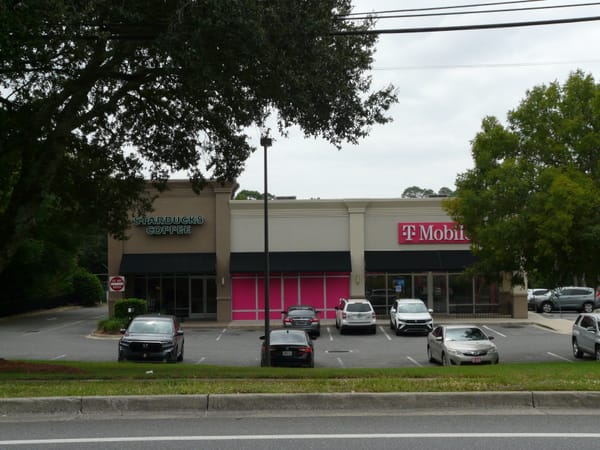
Starbucks Let Anyone Sit Down for Free for Seven Years. Then It Just Stopped.
A policy written to stop one bad 911 call became a blanket rule for 10,000 stores, until it couldn't anymore.

Amazon's Return Policy Was 'No Questions Asked.' Now There's a Quiet List of Questions.
Return too much, too often, with too little reason, and the account that got you free returns for years can just disappear.

Disney Replaces Free FastPass With a Paid Line-Skipping System
Skipping the line at Disney World used to be free. Now it's a per-person, per-day, per-ride line item.
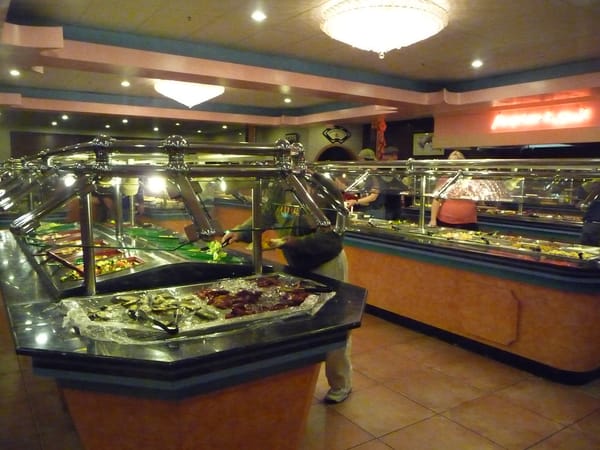
All-You-Can-Eat Doesn't Mean All-You-Can-Waste
A buffet in Switzerland now charges by the plate for what you don't finish. A London restaurant will fine you 32 cents. Somewhere, a tray is being loaded like a dare.

Costco Ends Unlimited Returns on Electronics After Decades of Super Bowl TVs
For years, you could buy a TV, watch the game, and return it. In 2007, Costco decided that wasn't really a rental program.