Amazon's Return Policy Was 'No Questions Asked.' Now There's a Quiet List of Questions.
Return too much, too often, with too little reason, and the account that got you free returns for years can just disappear.

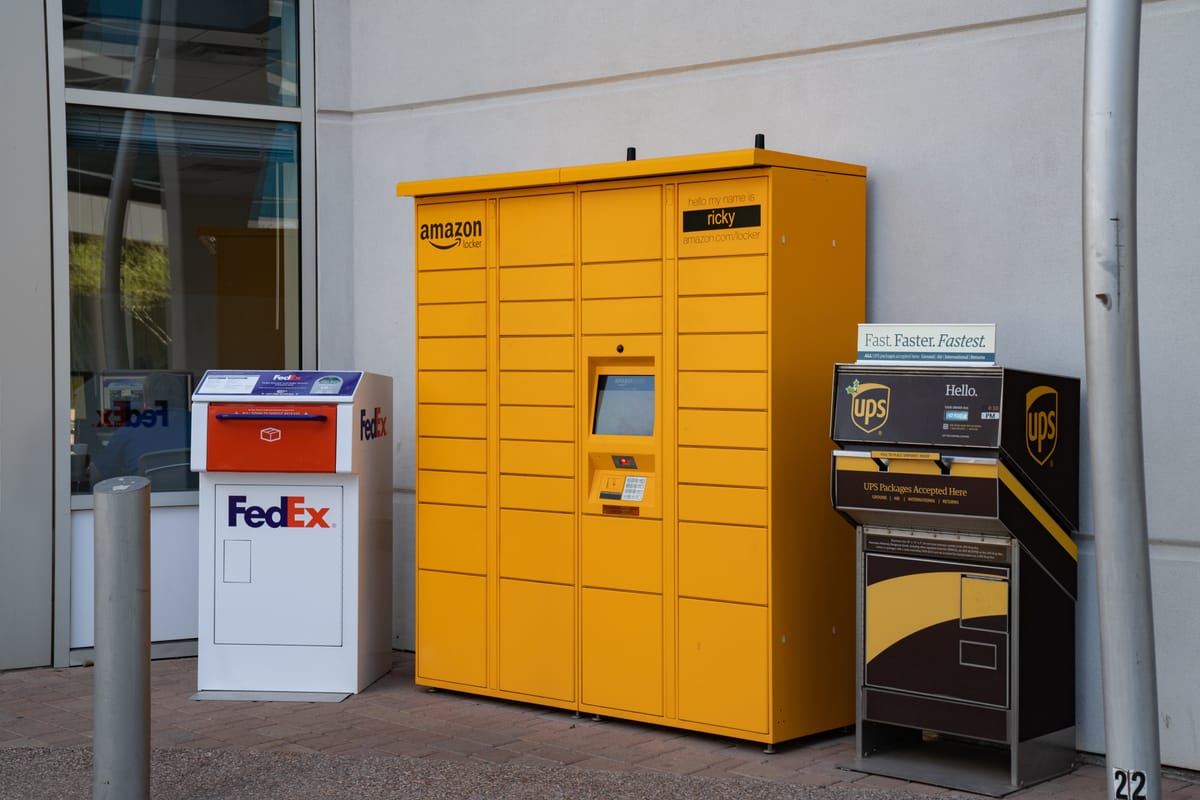
Amazon built its entire retail identity on a single promise: buy anything, and if you don't like it, send it back, no real questions asked. That promise is still technically true. It just no longer applies to you specifically, if you've been sending enough things back.
The 10% Rule Nobody Published
Amazon doesn't publish an exact threshold for what counts as return abuse, but retail reporting has converged on a working figure: accounts that return more than roughly 10% of what they buy, without much evidence anything was actually wrong with the items, are the ones that draw scrutiny. Cross that line often enough, with little to show for it beyond "changed my mind," and Amazon can quietly close the account — no appeal, no negotiation, just a policy violation email and a login that no longer works.
Wearing the Merchandise, Then Returning It
The behavior Amazon is actually trying to stop has a name in the retail-loss-prevention world: wardrobing, or more broadly, "renting" — ordering a dress for one event and returning it Monday, ordering a projector for one party weekend and sending it back Tuesday, ordering electronics to use for a few weeks before the return window closes. None of it is illegal. All of it quietly assumes someone else is absorbing the cost of shipping, restocking, and — for anything that can't be resold as new — writing the item off entirely.
Somebody Always Pays For "No Questions Asked"
Return fraud and abuse cost U.S. retailers billions of dollars a year industry-wide, and "no questions asked" was never actually a policy without a cost model behind it — it was a bet that the honest majority would subsidize the dishonest minority enough that the goodwill was still worth it. Amazon has spent the last several years quietly revising that bet: banning the worst repeat offenders outright, and adding return fees on specific high-frequency-return categories for everyone else, including the people who were never the problem.
The Part Where Everyone Gets a Little More Suspicious
None of this is dramatic on its own — a smaller number of banned accounts, a small fee added to certain returns — but it's the same shape as every other story on this site: a policy generous enough to build a business around gets narrowed, one abuse case at a time, until the version that's left barely resembles the original pitch. "No questions asked" is still printed on the box. The questions just moved to before you get banned instead of after.
Filed from public reporting:


