AOL Promised Unlimited Internet in 1996. It Forgot to Build Enough Modems.


In December 1996, America Online did something customers had been begging for: it stopped charging by the hour and offered unlimited access for a flat $19.95 a month. Customers responded by logging on and never logging off. Within weeks, AOL's modem banks couldn't handle the load, millions of people got nothing but busy signals, and roughly 44 state attorneys general opened investigations into a company that had, technically, delivered exactly what it advertised — just not to anyone who actually tried to use it.
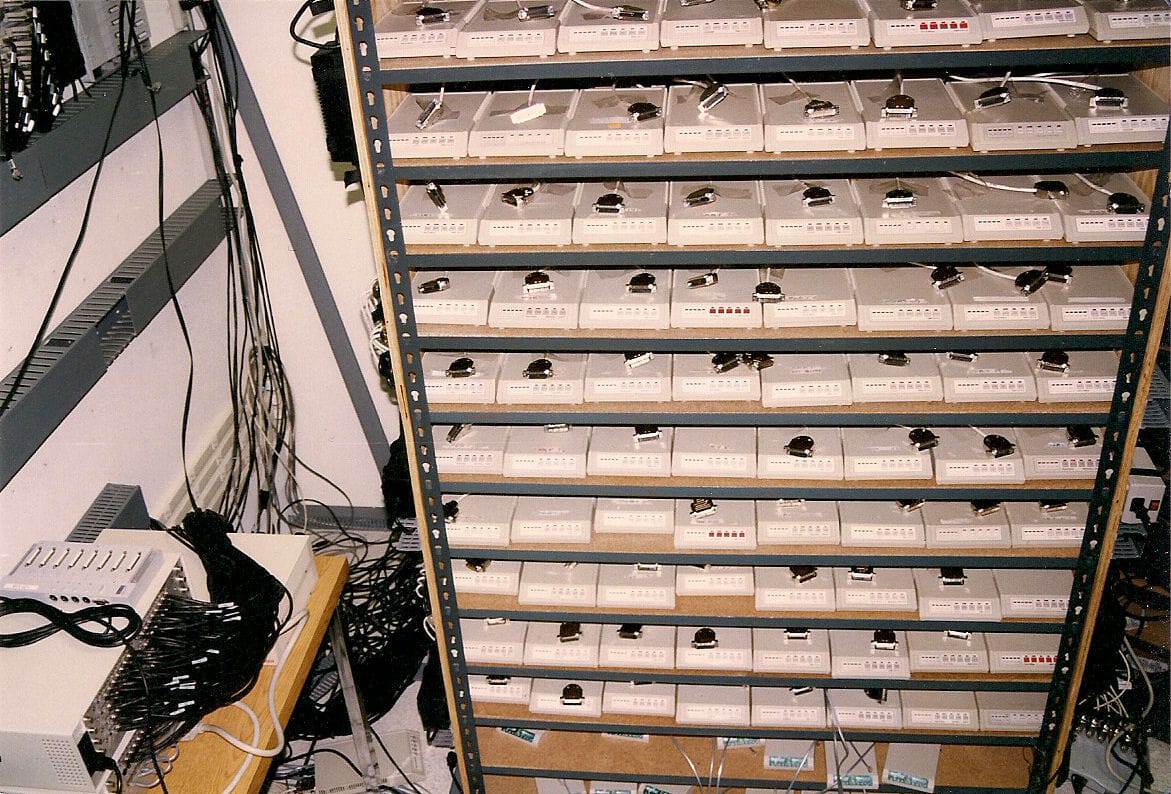
Unlimited Access, Finite Modems
AOL's flat-rate switch was a direct response to competitive pressure — customers wanted the internet the way cable worked, one price, no clock running. The problem was infrastructure, not intent: AOL had built its network assuming people would dial in, do their business, and dial out, the way hourly billing incentivizes. Remove the meter and people just... stayed connected, tying up modem lines for hours at a time. AOL hadn't built enough modem capacity for a world where nobody had a reason to hang up, and by January 1997 an estimated one in five subscribers reportedly couldn't get online at all during peak hours.
Forty-Four States Wanted Answers
The backlash wasn't just angry customers — it was official. State attorneys general across the country investigated whether AOL had misrepresented a service it couldn't currently provide. On February 4, 1997, AOL accepted an Assurance of Voluntary Compliance with attorneys general from roughly 44 states, agreeing to give affected subscribers free hours of service, pause new-subscriber advertising until capacity caught up, and commit publicly to fixing the busy-signal problem rather than just apologizing for it.
The Fix Was Boring: More Modems
AOL's actual remedy was unglamorous — spend heavily to expand modem banks and network capacity until supply matched the demand the flat rate had unlocked. It worked, eventually, and "unlimited internet" became the assumed default for every provider that followed. The episode is a tidy preview of a pattern that would repeat for decades: offer something without a cap, discover the cap was doing load-bearing work you didn't know about, and spend the next year explaining that to regulators instead of to a product manager.
Filed from public reporting:


