Bed Bath & Beyond's Coupon Never Expired. Neither Did the Damage It Was Doing.

A 20%-off coupon so generous it became the default price, until the company that printed it went bankrupt.

Share
Bed Bath & Beyond's Coupon Never Expired. Neither Did the Damage It Was Doing.
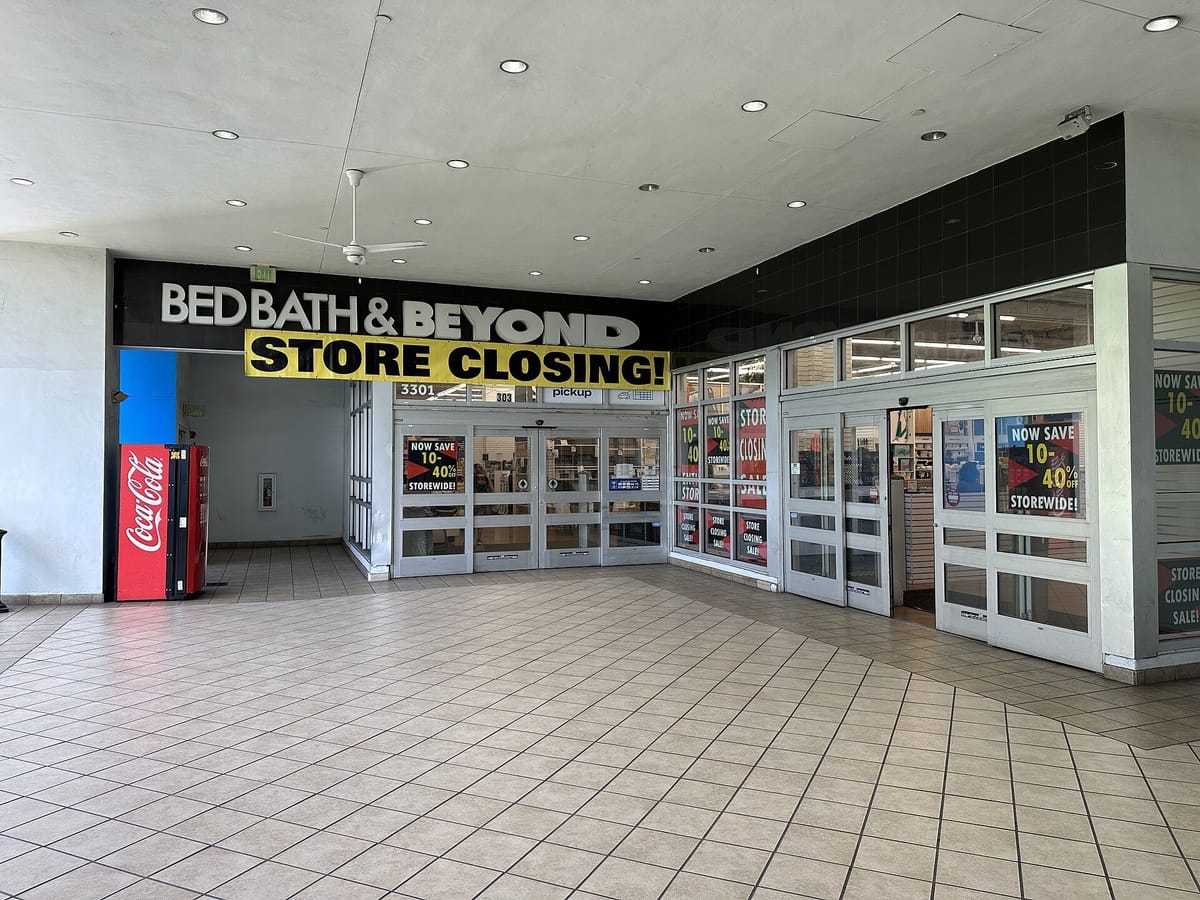
A Bed Bath & Beyond store during a closing sale. Photo: Phillip Pessar, Wikimedia Commons, CC BY 2.0.

The Bed Bath & Beyond 20%-off coupon was, for a while, one of the most reliable pieces of paper in American retail: mailed to nearly everyone, honored well past its printed expiration date, and — for years — stackable, so a drawer full of them could take a real dent out of a real purchase. Shoppers built entire habits around never buying anything at full price. That habit is a large part of why the company doesn't exist in its old form anymore.

A Coupon Strategy That Became the Whole Business Model

"Big Blue," as the coupon became known, wasn't a promotional exception at Bed Bath & Beyond — it was close to the default way most customers actually paid. The company had trained an entire customer base to treat full price as something you only pay if you forgot to bring your coupon, which meant Bed Bath & Beyond had, gradually and mostly by accident, given away roughly a fifth of its margin on an enormous share of its transactions, indefinitely, to almost anyone who asked.

The Restrictions Came Only Once the Company Was Already Dying

By the time Bed Bath & Beyond started meaningfully tightening the coupon's terms, it wasn't a strategic decision made from strength — it was a company trying to claw back margin on the way down, after years of eroded brand image and a customer base trained to view any full-price purchase as a mistake. The coupon had, by that point, done double damage: it had cost the company money for two decades, and it had made it nearly impossible to ever charge those same customers a fair price again, even after the discount stopped making financial sense.

Bankruptcy, Then a Strange Afterlife

Bed Bath & Beyond filed for Chapter 11 bankruptcy in April 2023 and began liquidating its roughly 360 remaining stores. The company gave customers a short final window — through the weekend, into the following Wednesday — to redeem any coupons still in their kitchen drawers before the registers stopped honoring them for good. In an odd coda, competitors including The Container Store and Big Lots briefly announced they'd accept old Bed Bath & Beyond coupons at their own stores, turning a dead retailer's discount into a promotional stunt for its rivals.
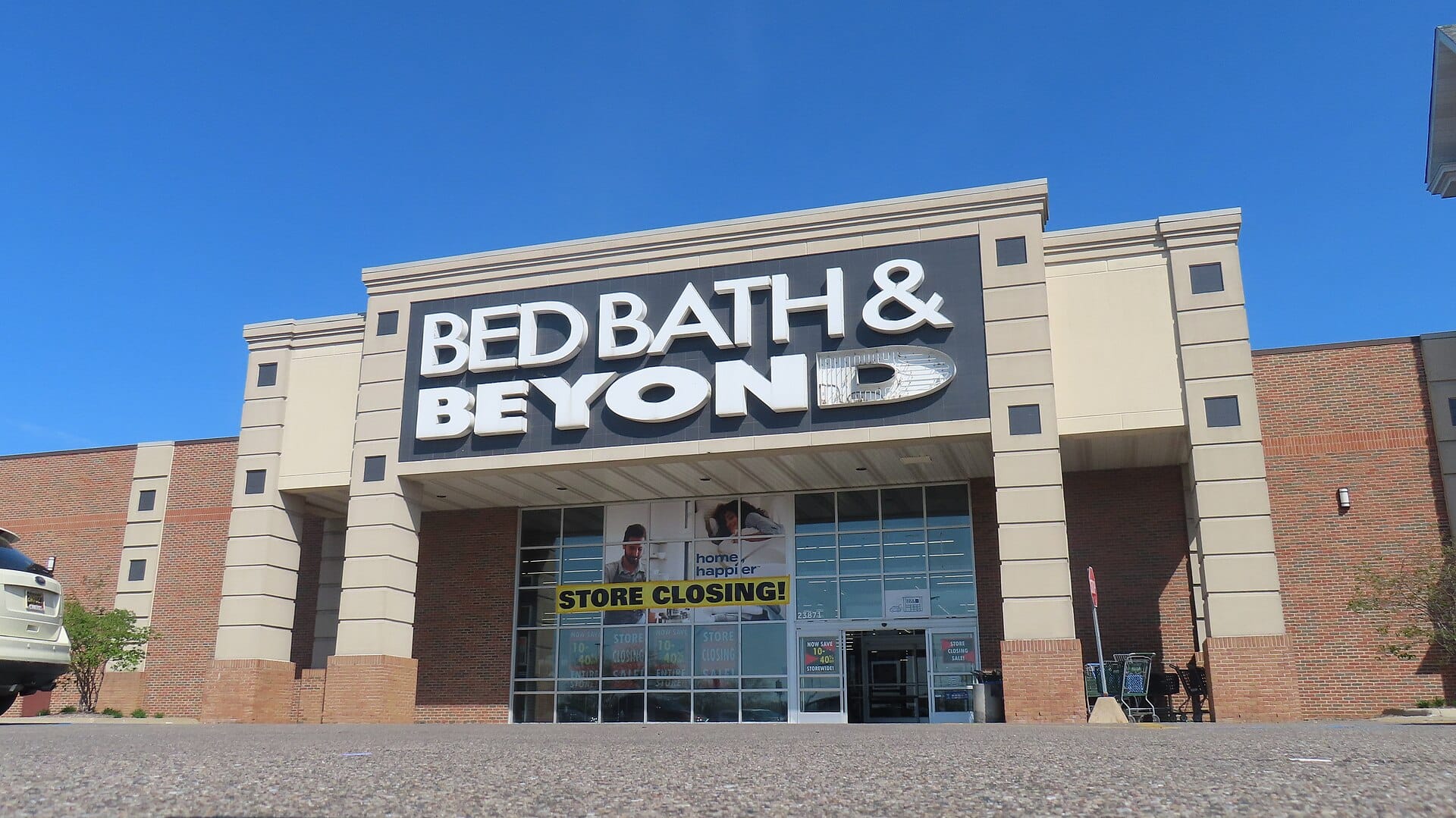
A Bed Bath & Beyond storefront with closing signage. Photo: 42-BRT, Wikimedia Commons, CC BY-SA 4.0.

The Discount That Outlived the Store It Came From

There's something almost admirable about a coupon so aggressively generous that other companies wanted to keep using it after the one that printed it was gone. It's also a fairly precise diagram of the failure mode: give away enough margin for long enough, and you don't just lose the money — you lose the customers' ability to remember what the thing was actually worth. Bed Bath & Beyond didn't die because people used the coupon. It died because it never figured out how to stop.


Filed from public reporting:

Read more

A Hand-Tightened Blind Flange and a Botched Shift Handover Killed 167 Men on Occidental Petroleum's Piper Alpha Platform in 22 Minutes. No One at the Company Was Ever Criminally Charged.

A Hand-Tightened Blind Flange and a Botched Shift Handover Killed 167 Men on Occidental Petroleum's Piper Alpha Platform in 22 Minutes. No One at the Company Was Ever Criminally Charged.

At around 10 p.m. on July 6, 1988, a pressure safety valve that had been pulled for maintenance that morning let gas condensate leak past a blind flange that had only been hand-tightened. Within 22 minutes, the Piper Alpha platform, 120 miles northeast of Aberdeen in the North

By The Complaints Department
Netflix Spent Six Years Telling Customers Love Is Sharing a Password. Once It Started Charging $7.99 a Month Per Shared Password Instead, Subscriber Growth Hit Its Best Year Since the Pandemic.

Netflix Spent Six Years Telling Customers Love Is Sharing a Password. Once It Started Charging $7.99 a Month Per Shared Password Instead, Subscriber Growth Hit Its Best Year Since the Pandemic.

On March 10, 2017, Netflix's official Twitter account posted four words that would follow the company around for the next six years: "Love is sharing a password." It was a promo tweet for a show called Love, but it was also, unmistakably, a policy statement — an

By The Complaints Department
New York Paused Congestion Pricing for 'Affordability' Weeks Before a 2024 Election, Then Relaunched It at a Lower Price Once Voting Was Over. A Year Later, Traffic Was Down 11 Percent and the Federal Government Was Still in Court Trying to Kill It.

New York Paused Congestion Pricing for 'Affordability' Weeks Before a 2024 Election, Then Relaunched It at a Lower Price Once Voting Was Over. A Year Later, Traffic Was Down 11 Percent and the Federal Government Was Still in Court Trying to Kill It.

On June 5, 2024, Governor Kathy Hochul stood before reporters and "indefinitely paused" New York's Central Business District Tolling Program, the long-planned congestion charge for driving into Manhattan below 60th Street. The launch was three weeks away. Hochul cited affordability concerns for working- and middle-

By The Complaints Department
Twitter Cut Off the Third-Party Apps That Built Its Developer Ecosystem in January 2023 With No Warning. One of Those Apps Coined the Word Tweet and Designed Twitter's Bird Logo Before Twitter Had Either.

Twitter Cut Off the Third-Party Apps That Built Its Developer Ecosystem in January 2023 With No Warning. One of Those Apps Coined the Word Tweet and Designed Twitter's Bird Logo Before Twitter Had Either.

On January 13, 2023, Twitter's API went dark for third-party client apps with no announcement and no explanation. Tweetbot, Twitterrific, Fenix, and others simply stopped working, all at once, for everyone. Developers spent days guessing whether it was a bug, an outage, or deliberate. Four days later,

By The Complaints Department