Build-A-Bear's 'Pay Your Age' Day Got So Popular It Had to Be Shut Down Before Lunch
A discount so fair it worked on every age group at once — which is exactly why the stores couldn't handle it.

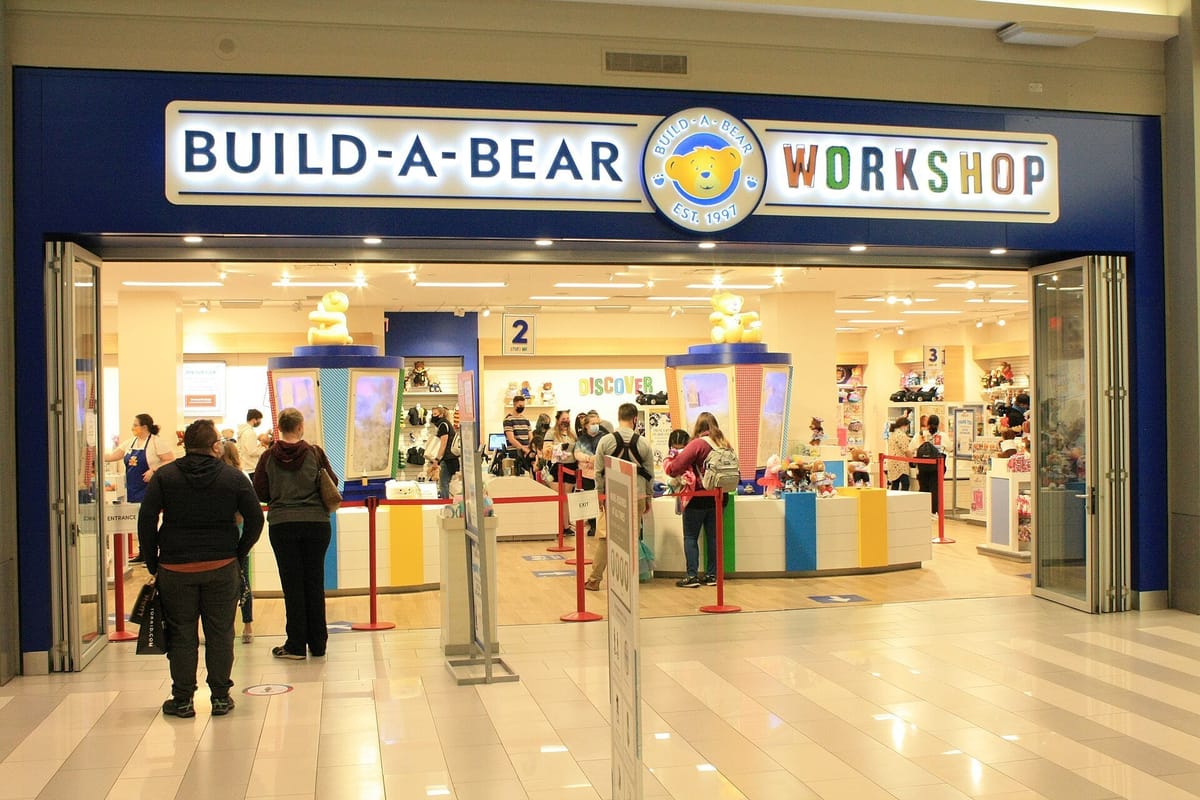
On July 12, 2018, Build-A-Bear Workshop ran a promotion simple enough to explain in one sentence: pay your age for a bear, capped at $29. It was meant to be a fun, modest discount event for kids. By early afternoon, the company had to shut it down nationwide, because the sentence turned out to be far more compelling than anyone in the room had modeled for.
A Discount That Scaled With Almost No Limit
"Pay your age" is a genuinely clever discount mechanic — cheap for toddlers, still a real deal for a ten- or twelve-year-old, and capped just high enough that even an adult buying for themselves got a meaningful price break. That's exactly what made it dangerous at national scale: it wasn't one narrow demographic showing up for a modest markdown, it was every age group at once, all arriving at the same stores on the same single day, because nobody had a reason to skip it.
Four to Nine Hours in Line, Then Turned Away Anyway
Reports from across the U.S., Canada, and the U.K. described lines stretching four to nine hours long, with stores in multiple countries forced to close their doors early as crowds outgrew what any mall location could safely hold. Build-A-Bear's own emergency announcement, posted that afternoon, read: "Urgent Alert: Per local authorities, we cannot accept additional Guests at our locations due to crowd safety concerns" — a company publicly conceding, in real time, that its own promotion had outpaced its ability to run it safely.
"We Never Could Have Estimated This"
CEO Sharon Price John later said plainly that "there was no way for us to have estimated the kind of impact, those kind of crowds. It far surpassed anything we ever could've known" — an unusually direct admission for a public company, and a reasonably honest one. Customers turned away without a bear were handed vouchers instead, a consolation prize for a promotion whose entire appeal had been not needing a voucher, coupon, or any qualifying condition beyond simply having an age.
The Version That Came Back Was a Smaller, Safer Idea
Build-A-Bear brought the promotion back in later years with real guardrails — narrower windows, and eventually limiting the deep discount specifically to birthdays rather than any random July afternoon. The company didn't abandon the idea; it just relearned, the expensive way, that "everyone qualifies, no reservation needed" and "safely staffed retail event" are not always compatible sentences. The pricing gimmick survived. The version of it that let literally anyone show up whenever they wanted did not.
Filed from public reporting:


