Cabbage Patch Kids Were $21. In December 1983, Adults Rioted Over Them Anyway.

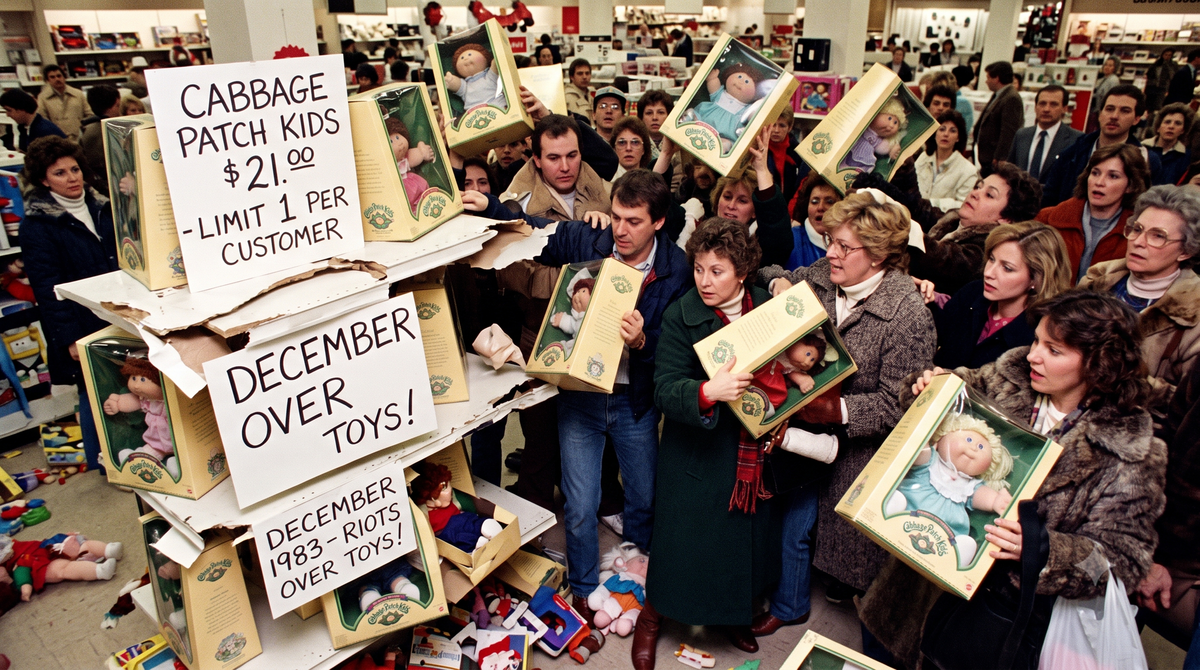
In December 1983, adults broke down doors, threw boxes at each other, and got trampled in department stores over a soft-bodied doll with yarn hair that retailed for $21. Coleco's Cabbage Patch Kids were the must-have gift of the season, supply couldn't come close to demand, and the resulting scramble is still one of the clearest documented cases of a "nice thing" — a toy, a Christmas list, a functioning store aisle — collapsing under the weight of its own popularity.
A Doll Designed to Be Scarce by Accident
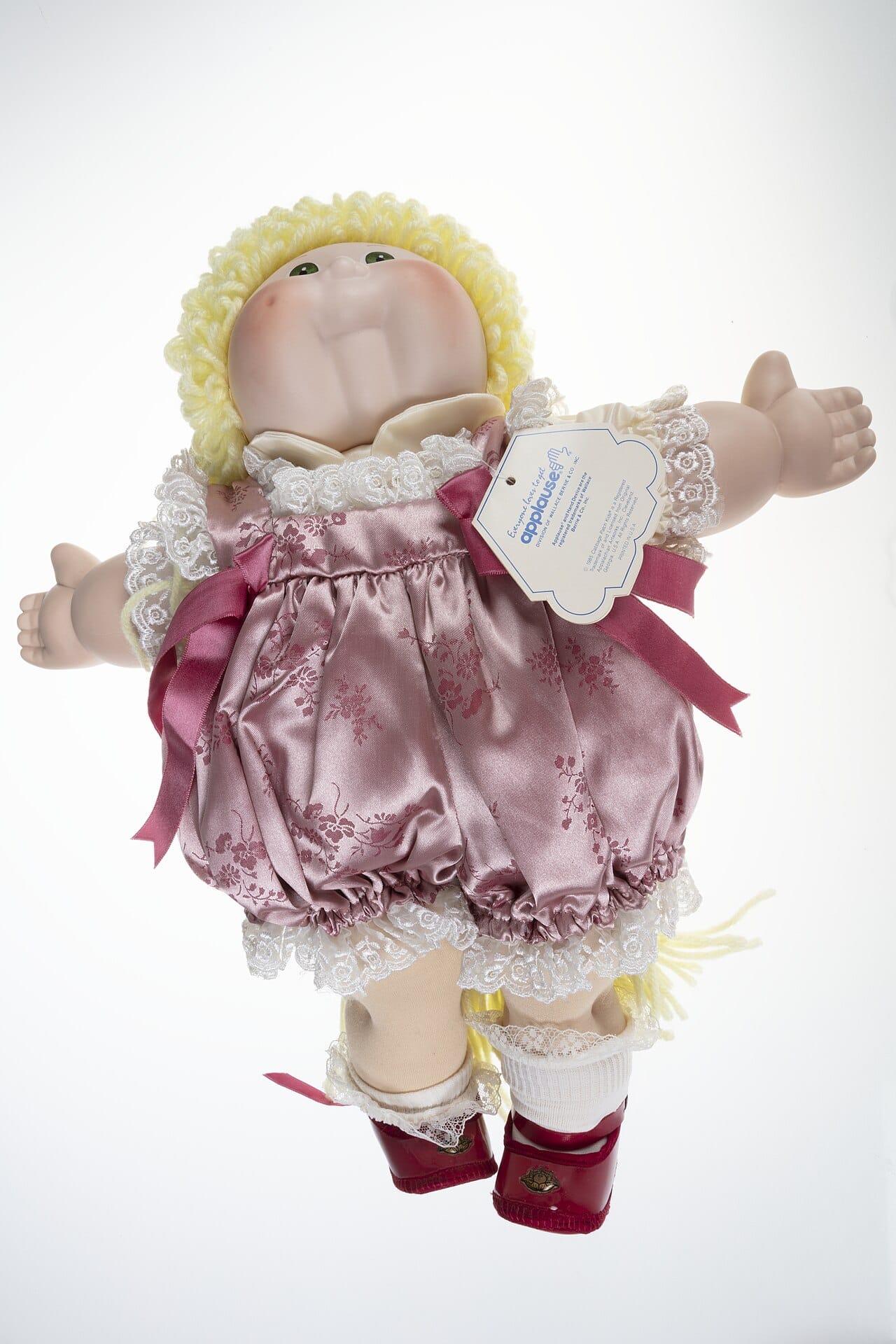
Every Cabbage Patch Kid was manufactured with individually varied features and came with its own adoption certificate and name, a novelty that made the dolls collectible but also made them slow and complicated to produce at scale. Coleco could not manufacture fast enough for the demand its own marketing had created — at points, production reportedly slowed to around 2,000 dolls a day nationwide because of equipment problems, against a season where millions of children had already asked for one by name.
A Baseball Bat Behind the Counter
The shortage produced scenes that read like local news exaggeration but were reported as straight fact: a Zayre department store in Wilkes-Barre, Pennsylvania had more than 1,000 people camped outside overnight, with a manager reportedly wielding a baseball bat to protect himself as boxes were thrown into the crowd. A Charleston, West Virginia store had roughly 5,000 shoppers show up for a shipment of just 120 dolls. In New Jersey, a pregnant woman was injured after being caught in a stampede. Dolls that retailed for $21 were reportedly reselling on the secondary market for $50 to $75 — a markup driven entirely by parents who had run out of other options two weeks before Christmas.
Coleco Got Sued Before the Dolls Even Sold Out
The chaos wasn't limited to shoppers fighting each other — regulators got involved too. Nassau County's consumer affairs commissioner charged Coleco with false advertising, arguing the company kept advertising dolls that were already sold out by the time customers arrived at stores. Coleco temporarily pulled back on advertising while it tried to catch production up to demand, eventually shipping around 3.3 million dolls that year — a number that sounds enormous until you remember how many stores had a baseball bat on hand just in case.
The Lasting Fix Was Boring: Lotteries and Limits
Retailers who'd learned their lesson started requiring numbered tickets, purchase limits, or lottery-style systems for the next hyped holiday toy, rather than simply stacking boxes on a shelf and opening the doors. It's a pattern that would repeat with Tickle Me Elmo, then Furby, then every console launch since — scarcity marketing works right up until it works too well, at which point someone has to figure out crowd control after the fact instead of before it.
Filed from public reporting:


