Chase Let You Collect the Same Sign-Up Bonus Every Four Years. Now You Get It Exactly Once, Ever.

Share
Chase Let You Collect the Same Sign-Up Bonus Every Four Years. Now You Get It Exactly Once, Ever.
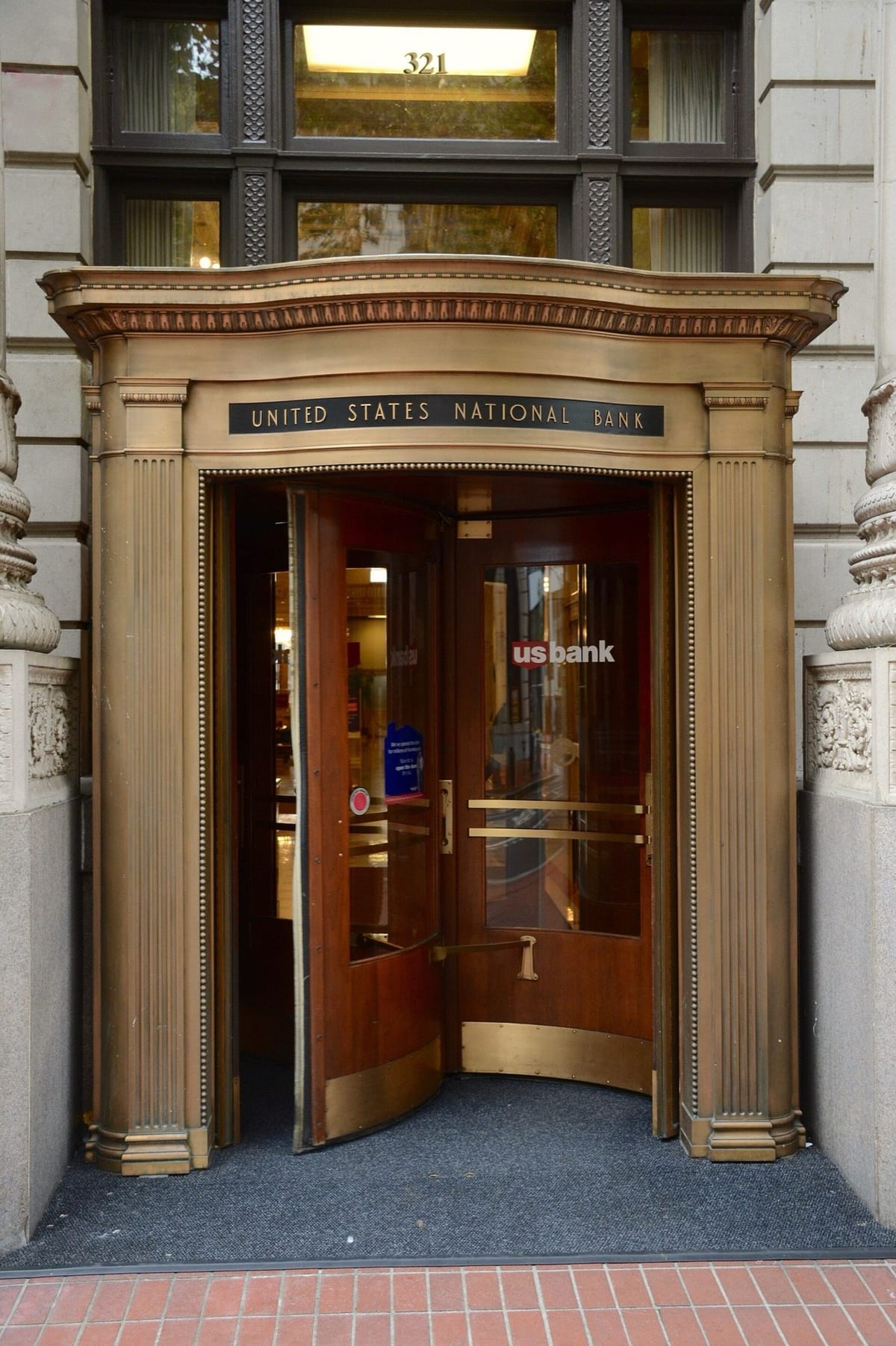
A revolving door at a bank building. Photo: Steve Morgan, Wikimedia Commons, CC BY-SA 4.0.

Chase, like most card issuers, dangled a large welcome bonus to pull in new Sapphire cardholders, with one rule limiting how often any one person could collect it: not within 48 months of the last time they'd earned it. That rule survived for years. In June 2025, Chase replaced it with something much simpler — you get the bonus exactly once, ever — because a large enough number of people had figured out how to make "every 48 months" mean "indefinitely."

A Bonus Priced as a One-Time Acquisition Cost

The 48-month rule assumed most cardholders would take the welcome bonus once, keep the card or drift away from it, and only naturally cycle back — if at all — well outside the four-year window. For most people, that's exactly what happened: a bonus collected once, a card either kept or forgotten, no repeat visits to the offer.

Churning Had Its Own Hobbyist Press

"Churning" — opening a card for the bonus, hitting the minimum spend, then closing or downgrading it and reapplying the moment the 48-month window reset — had been documented for years on dedicated sites like Doctor of Credit, The Points Guy, and One Mile at a Time. It wasn't hidden or underground; it was a well-known strategy for extracting the same one-time acquisition bonus repeatedly over a cardholder's lifetime, exactly the cost Chase had priced the offer to cover only once.

A Rolling Window Can't Tell a Churner From a Returning Customer

The 48-month rule was already a correction against pure repeat-bonus farming, but churners simply adapted around it — waiting out the window, or working the structure of Chase's two separate Sapphire products against each other. There was no clean way for Chase to distinguish that pattern from an ordinary long-term customer who happened to come back to the card after a few years away, without writing a much blunter rule.

Now It's Once, Period, for Everyone

Chase wrote the blunter rule. In June 2025 it moved to a once-per-lifetime limit per Sapphire card, and by a January 2026 refinement, tightened it further to one welcome bonus per Sapphire product, per lifetime, regardless of what other Chase cards a customer holds. The result catches the churner working the 48-month cycle and, in the same motion, permanently locks out the genuine long-time Chase customer who happened to hold a Sapphire card a decade ago, let it lapse, and would otherwise have qualified for the bonus again fair and square.


Filed from public reporting:

Read more

A Hand-Tightened Blind Flange and a Botched Shift Handover Killed 167 Men on Occidental Petroleum's Piper Alpha Platform in 22 Minutes. No One at the Company Was Ever Criminally Charged.

A Hand-Tightened Blind Flange and a Botched Shift Handover Killed 167 Men on Occidental Petroleum's Piper Alpha Platform in 22 Minutes. No One at the Company Was Ever Criminally Charged.

At around 10 p.m. on July 6, 1988, a pressure safety valve that had been pulled for maintenance that morning let gas condensate leak past a blind flange that had only been hand-tightened. Within 22 minutes, the Piper Alpha platform, 120 miles northeast of Aberdeen in the North

By The Complaints Department
Netflix Spent Six Years Telling Customers Love Is Sharing a Password. Once It Started Charging $7.99 a Month Per Shared Password Instead, Subscriber Growth Hit Its Best Year Since the Pandemic.

Netflix Spent Six Years Telling Customers Love Is Sharing a Password. Once It Started Charging $7.99 a Month Per Shared Password Instead, Subscriber Growth Hit Its Best Year Since the Pandemic.

On March 10, 2017, Netflix's official Twitter account posted four words that would follow the company around for the next six years: "Love is sharing a password." It was a promo tweet for a show called Love, but it was also, unmistakably, a policy statement — an

By The Complaints Department
New York Paused Congestion Pricing for 'Affordability' Weeks Before a 2024 Election, Then Relaunched It at a Lower Price Once Voting Was Over. A Year Later, Traffic Was Down 11 Percent and the Federal Government Was Still in Court Trying to Kill It.

New York Paused Congestion Pricing for 'Affordability' Weeks Before a 2024 Election, Then Relaunched It at a Lower Price Once Voting Was Over. A Year Later, Traffic Was Down 11 Percent and the Federal Government Was Still in Court Trying to Kill It.

On June 5, 2024, Governor Kathy Hochul stood before reporters and "indefinitely paused" New York's Central Business District Tolling Program, the long-planned congestion charge for driving into Manhattan below 60th Street. The launch was three weeks away. Hochul cited affordability concerns for working- and middle-

By The Complaints Department
Twitter Cut Off the Third-Party Apps That Built Its Developer Ecosystem in January 2023 With No Warning. One of Those Apps Coined the Word Tweet and Designed Twitter's Bird Logo Before Twitter Had Either.

Twitter Cut Off the Third-Party Apps That Built Its Developer Ecosystem in January 2023 With No Warning. One of Those Apps Coined the Word Tweet and Designed Twitter's Bird Logo Before Twitter Had Either.

On January 13, 2023, Twitter's API went dark for third-party client apps with no announcement and no explanation. Tweetbot, Twitterrific, Fenix, and others simply stopped working, all at once, for everyone. Developers spent days guessing whether it was a bug, an outage, or deliberate. Four days later,

By The Complaints Department