Every Rule at Airport Security Has a Name, a Date, and Exactly One Guy Who Ruined It for Everyone
Your shoes, your shampoo, and your laptop are all inconveniencing you because of specific people on specific flights on specific dates — decades ago.


On December 22, 2001, Richard Reid boarded American Airlines Flight 63 from Paris to Miami with explosives packed into the soles of his shoes and tried, unsuccessfully, to light them with a match. He is the reason you have taken your shoes off at an airport at some point in the last two decades, whether or not you personally have ever done anything to deserve that kind of scrutiny of your socks. Nobody voted on this. It just became permanent, the way these things do.
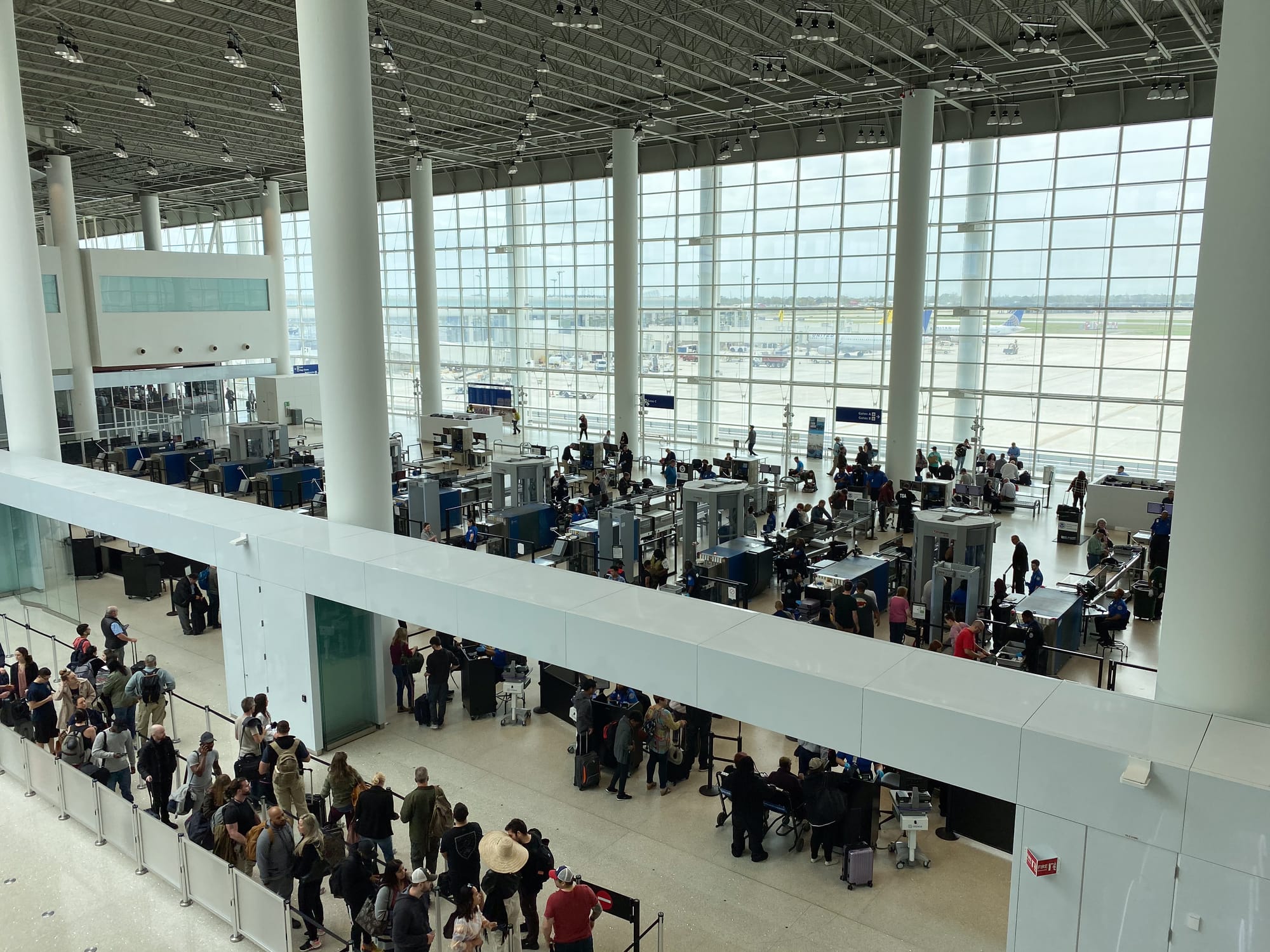
Airport security is, functionally, a museum of the worst day of somebody else's life, preserved forever as a minor inconvenience for everyone else's. Every bin, scanner, and "please remove all liquids" sign has an origin story, and the origin story is never "we thought about this carefully in advance." It's always a specific person, on a specific flight, on a specific date, who almost got away with something — followed by a policy that outlived the threat by decades.
The Hijacking Decade That Invented the Walk-Through
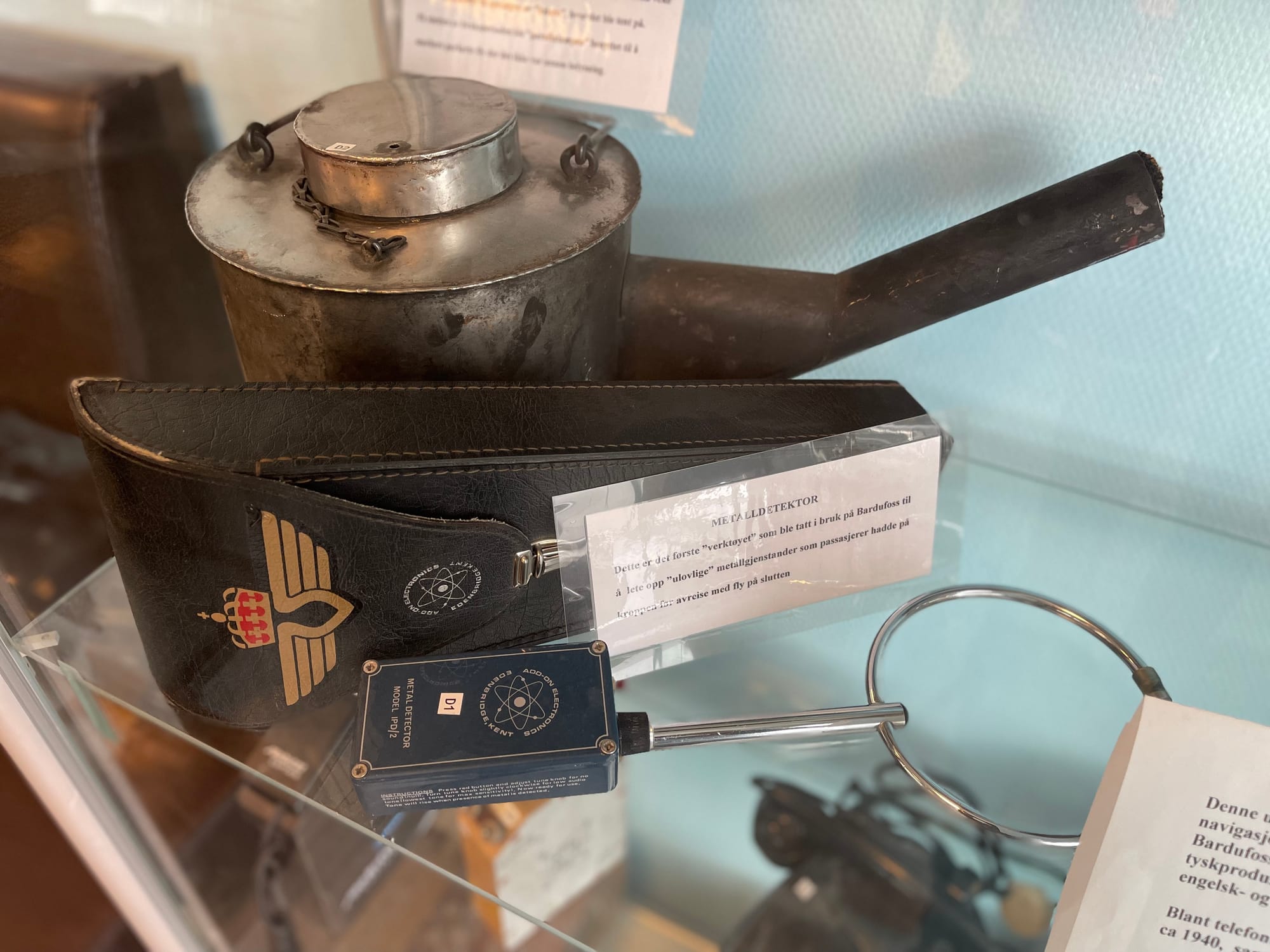
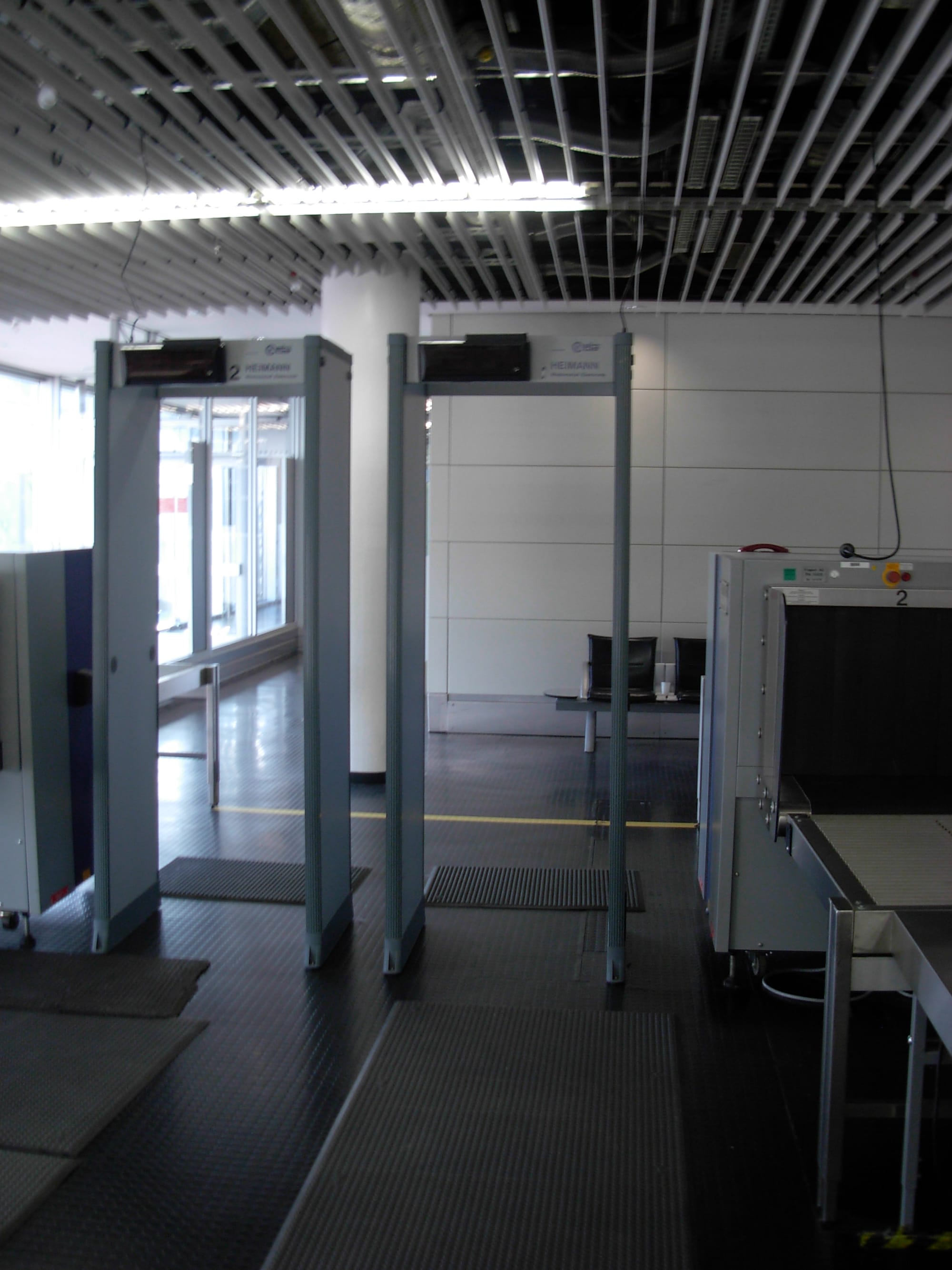
Before any of the security theater you're used to existed, airports had none. You could walk a stranger to their gate. Between 1968 and 1972, that absence produced 137 hijackings of U.S. aircraft, most of them politically motivated rather than explosive-based — a wave so routine that "take this plane to Cuba" briefly became a genre of small talk. The FAA's answer, effective January 5, 1973, was the walk-through metal detector and the X-ray belt: the first time in American history that being a passenger required proving you weren't currently holding a weapon. Hijackings dropped off a cliff almost immediately. The metal detector, unlike almost everything else on this list, actually worked, which is presumably why nobody remembers its origin story.
Lockerbie Turned Your Suitcase Into Evidence Before It's Even Lost
On December 21, 1988, a bomb hidden inside a radio cassette player, packed into a suitcase, exploded aboard Pan Am Flight 103 over Lockerbie, Scotland, killing all 259 people on board and 11 more on the ground. The subsequent investigation found the suitcase had been checked onto the plane, transferred between flights, and loaded into the cargo hold without ever being matched to a boarding passenger — a basic reconciliation step that, had it been followed, would have flagged an unaccompanied bag before takeoff. The Presidential Commission that followed recommended an overhaul of the entire U.S. aviation security system, and Lockerbie became the final push behind a rule now binding under international law: your checked bag doesn't fly unless you do. It sounds obvious in hindsight. It wasn't a rule at all until 259 people made the case for it.
Two Words, One Match, Twenty Years of Socks
The Aviation and Transportation Security Act, signed November 19, 2001 — fifty-nine days after the September 11 attacks — federalized airport screening, created the TSA from nothing, and had it hire and deploy over 50,000 screening officers within a year. Reinforced cockpit doors and an expanded Federal Air Marshal Service came with it. All of that happened before Richard Reid ever boarded his flight. His failed shoe bomb three months later exposed the one thing the new federal apparatus still couldn't reliably catch — a non-metallic explosive that a walk-through detector would wave straight past — and by 2006, "remove your shoes" had gone from an occasional secondary-screening request to a blanket rule applied to everyone, forever, regardless of footwear.
The Rule That Turned Your Toiletries Into a Federal Case
In August 2006, British and American investigators broke up a plot — codenamed Operation Overt — to detonate liquid explosives disguised as soft drinks aboard seven transatlantic flights simultaneously. The plotters had worked out how to drain sports-drink bottles, refill them with concentrated hydrogen peroxide, reseal them convincingly with superglue, and trigger the mixture mid-flight using disposable-camera flashes wired into modified batteries. Ten people were eventually convicted. Within weeks, the Department of Homeland Security tried an outright liquids ban before settling on something more survivable: the 3-1-1 rule — containers no larger than 3.4 ounces, all of them fitting into a single quart-sized bag. Explosives chemists had calculated that below that volume, a lone attacker's liquid couldn't do catastrophic damage to a cabin. Which is to say: your travel-size shampoo restrictions exist because someone, somewhere, ran the math on how much liquid explosive it takes to bring down a plane, and 3.4 ounces is what was left over on the safe side of that number.
Your Underwear Bought Everyone a Trip Through a Radiation Booth
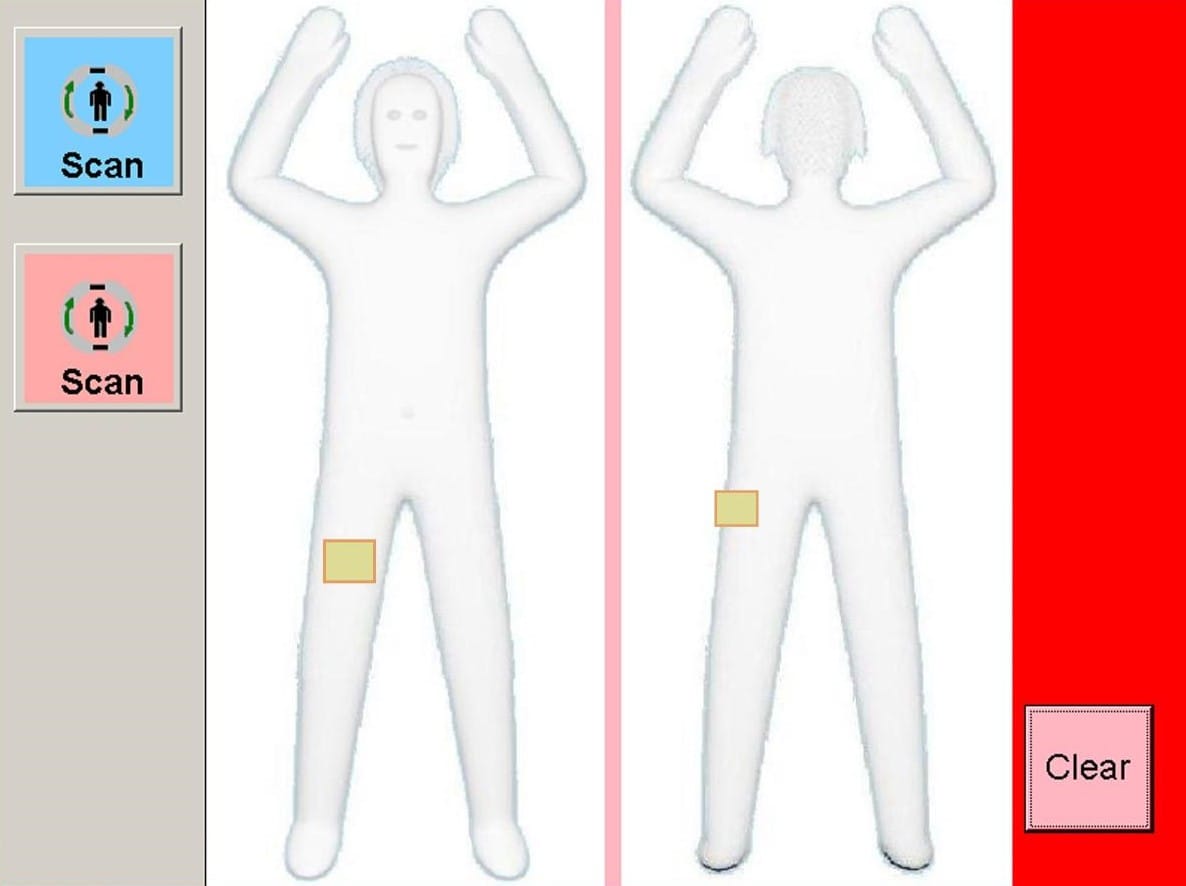
On Christmas Day 2009, Umar Farouk Abdulmutallab attempted to detonate PETN sewn into his underwear aboard a flight approaching Detroit. It didn't fully ignite — it just badly burned him — but it exposed a screening gap that walk-through metal detectors were never built to close: a powdered explosive, worn against skin, carried straight past every existing checkpoint in Amsterdam. Full-body scanners had already been quietly piloted in a handful of U.S. cities. Abdulmutallab's underwear is the reason they went everywhere else, fast, whether or not you were ever going to attempt anything more dangerous than forgetting to take your belt off.
A Printer Cartridge Nearly Blew Up Over the Atlantic
In October 2010, a tip from Saudi intelligence led investigators to two air cargo packages shipped from Yemen — one aboard a UPS plane in the UK, one aboard a FedEx plane in Dubai — each containing PETN and a detonator built into a printer's toner cartridge, wired to a phone timer, sophisticated enough that ordinary X-ray screening would have read it as, correctly, a printer cartridge. Al-Qaeda in the Arabian Peninsula claimed responsibility a week later. The devices were only caught because someone told investigators exactly where to look — not because the screening process was designed to notice them — which is the sort of detail that gets quietly omitted from press releases about how air cargo security has since been "significantly strengthened."
Banning Laptops Because of a Raid Nobody Explained
In March 2017, the U.S. and UK barred passengers on flights from ten airports across eight Middle Eastern and North African countries from carrying laptops, tablets, or anything else larger than a phone into the cabin. The public justification stayed vague. The private one, according to U.S. officials, traced back to intelligence recovered from a January 2017 commando raid targeting Al-Qaeda in the Arabian Peninsula in Yemen — bomb-making techniques for hiding explosives inside laptop batteries, credible enough that officials believed a plot was already in motion. The ban lifted by July, once the affected airlines adopted new screening standards nobody outside the industry was shown. For four months, the rule for whether your laptop could sit on your tray table depended entirely on which airport you'd started your trip in, and no traveler was ever told exactly why.
Twenty Years Later, They Let You Keep Your Shoes On
On July 8, 2025, the Department of Homeland Security ended the mandatory shoes-off rule at TSA checkpoints nationwide — nearly twenty years after it became standard practice, credited to scanning technology finally catching up to what a shoe might be hiding. Richard Reid remains in a federal supermax prison. The rule he inadvertently authored outlived his relevance to it by roughly two decades and counting, which tracks with everything else on this site: the inconvenience is never removed because the original threat passed. It's removed, eventually, quietly, for reasons that have nothing to do with you — the same way it was added.
Filed from public reporting:
- History.com
- HSToday
- Wikipedia — 2006 transatlantic aircraft plot
- Wikipedia — Security repercussions of the 2006 plot
- TSA — Official Timeline
- TSA — 20 Years After 9/11
- CNN — Why U.S. hijackings spiked in the early 1970s
- Wikipedia — Pan Am Flight 103 bombing investigation
- Report of the President's Commission on Aviation Security and Terrorism
- NBC News — TSA full-body scanners
- Wikipedia — 2010 transatlantic aircraft bomb plot
- VOA News — Yemen cargo bomb plot
- CNBC — 2017 laptop ban announcement
- CBS News — What prompted the laptop ban
- NPR — U.S. ends the laptop ban


