Google Photos Was Unlimited and Free for Six Years. Then Everyone's Library Got a Ceiling.

Share
Google Photos Was Unlimited and Free for Six Years. Then Everyone's Library Got a Ceiling.
Photo by Jon Tyson / Unsplash

Google Photos launched in 2015 with a promise that felt almost reckless in retrospect: unlimited free storage for every photo and video you'd ever take, forever, at "high quality." On November 11, 2020, Google announced that promise had an expiration date after all — June 1, 2021 — after which your unlimited photo library would start eating into the same 15GB free tier as your email.

"Unlimited" Was Never Going to Be Free Forever

The original pitch made sense as a growth strategy: give people a reason to trust Google with every photo they own, let the habit calcify for half a decade, then introduce a cap once switching providers means abandoning years of memories rather than a few gigabytes. Google framed the change diplomatically, citing the sheer volume of photos and videos being uploaded — more than 4 trillion photos stored, with 28 billion new ones added every week by the time of the announcement — as a reason the original model wasn't sustainable.
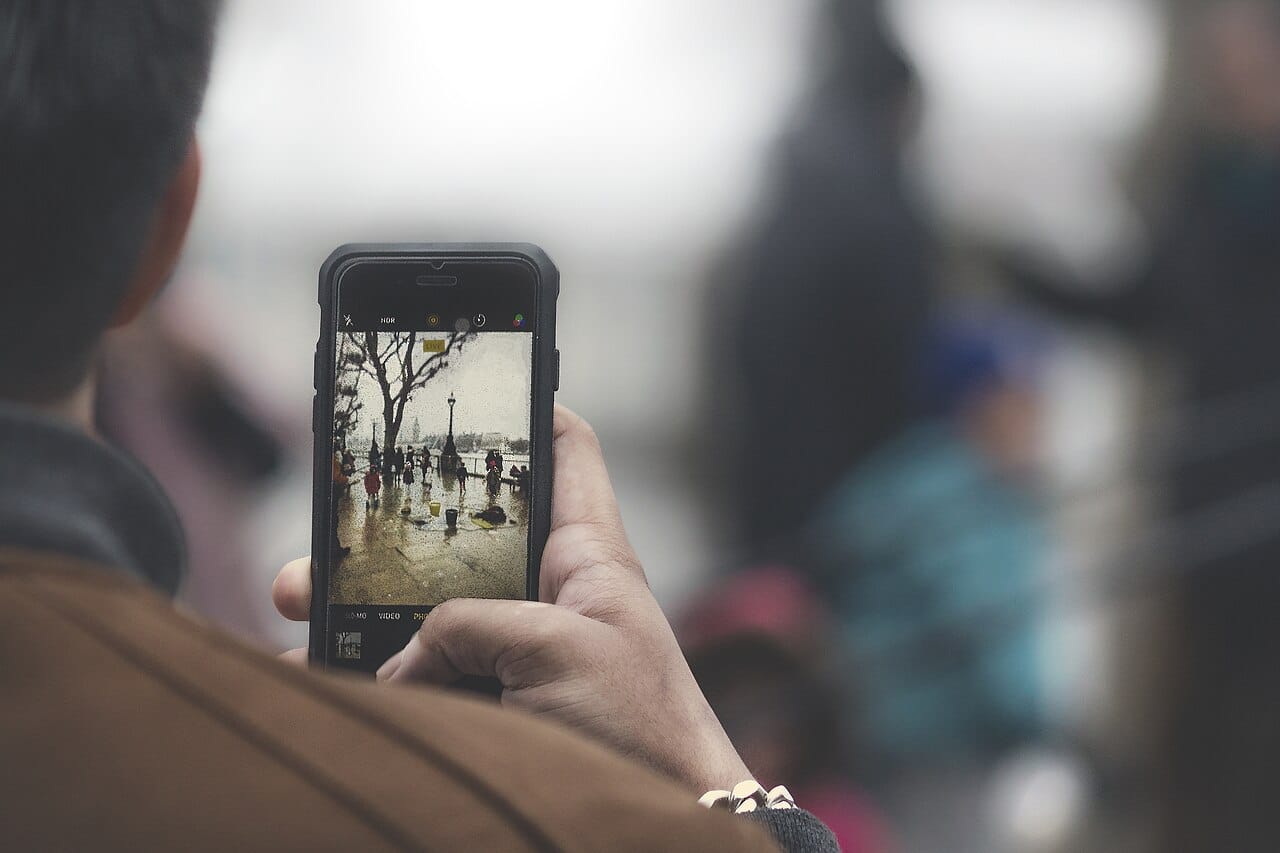
Someone taking a photo with a smartphone, the entry point for a library that used to be unlimited to store. Photo: James Sutton, Wikimedia Commons, CC0 (Public Domain).

A Deadline, and a Grandfather Clause

Google drew a clean line: everything uploaded before June 1, 2021 stayed exempt from the cap permanently, while anything uploaded after that date in "High quality" mode — quietly renamed "Storage Saver" for the occasion — would count against the standard free 15GB Google Account allotment shared with Gmail and Drive. Pixel phone owners got a partial reprieve, with several older Pixel models keeping their original unlimited High-quality upload exemption regardless of the new rule. Google estimated at the time that roughly 80% of users still had at least three more years of headroom before hitting the new limit, which is a very corporate way of saying "you probably won't notice for a while."

The Slow Version of a Bait-and-Switch

Nobody's existing photos were deleted, and nobody was charged retroactively — which is precisely what made this such an effective way to end a free perk. A sudden cutoff would have caused genuine backlash; a multi-year grandfather clause turned it into something closer to background noise, a policy change most users only rediscovered the day a "storage almost full" notification finally showed up. The unlimited era didn't end with an announcement people reacted to. It ended with an upload that just quietly counted, for the first time, against a number everyone had stopped thinking about years earlier.


Filed from public reporting:

Read more

A Hand-Tightened Blind Flange and a Botched Shift Handover Killed 167 Men on Occidental Petroleum's Piper Alpha Platform in 22 Minutes. No One at the Company Was Ever Criminally Charged.

A Hand-Tightened Blind Flange and a Botched Shift Handover Killed 167 Men on Occidental Petroleum's Piper Alpha Platform in 22 Minutes. No One at the Company Was Ever Criminally Charged.

At around 10 p.m. on July 6, 1988, a pressure safety valve that had been pulled for maintenance that morning let gas condensate leak past a blind flange that had only been hand-tightened. Within 22 minutes, the Piper Alpha platform, 120 miles northeast of Aberdeen in the North

By The Complaints Department
Netflix Spent Six Years Telling Customers Love Is Sharing a Password. Once It Started Charging $7.99 a Month Per Shared Password Instead, Subscriber Growth Hit Its Best Year Since the Pandemic.

Netflix Spent Six Years Telling Customers Love Is Sharing a Password. Once It Started Charging $7.99 a Month Per Shared Password Instead, Subscriber Growth Hit Its Best Year Since the Pandemic.

On March 10, 2017, Netflix's official Twitter account posted four words that would follow the company around for the next six years: "Love is sharing a password." It was a promo tweet for a show called Love, but it was also, unmistakably, a policy statement — an

By The Complaints Department
New York Paused Congestion Pricing for 'Affordability' Weeks Before a 2024 Election, Then Relaunched It at a Lower Price Once Voting Was Over. A Year Later, Traffic Was Down 11 Percent and the Federal Government Was Still in Court Trying to Kill It.

New York Paused Congestion Pricing for 'Affordability' Weeks Before a 2024 Election, Then Relaunched It at a Lower Price Once Voting Was Over. A Year Later, Traffic Was Down 11 Percent and the Federal Government Was Still in Court Trying to Kill It.

On June 5, 2024, Governor Kathy Hochul stood before reporters and "indefinitely paused" New York's Central Business District Tolling Program, the long-planned congestion charge for driving into Manhattan below 60th Street. The launch was three weeks away. Hochul cited affordability concerns for working- and middle-

By The Complaints Department
Twitter Cut Off the Third-Party Apps That Built Its Developer Ecosystem in January 2023 With No Warning. One of Those Apps Coined the Word Tweet and Designed Twitter's Bird Logo Before Twitter Had Either.

Twitter Cut Off the Third-Party Apps That Built Its Developer Ecosystem in January 2023 With No Warning. One of Those Apps Coined the Word Tweet and Designed Twitter's Bird Logo Before Twitter Had Either.

On January 13, 2023, Twitter's API went dark for third-party client apps with no announcement and no explanation. Tweetbot, Twitterrific, Fenix, and others simply stopped working, all at once, for everyone. Developers spent days guessing whether it was a bug, an outage, or deliberate. Four days later,

By The Complaints Department