Insys Bribed Doctors to Prescribe a Cancer-Only Fentanyl Spray to People Without Cancer. Its Founder Got 5.5 Years.
Insys Therapeutics ran a bribery scheme disguised as a doctor speaker series and an insurance call center trained to lie, until its founder became the first pharma executive convicted of racketeering over the opioid crisis.

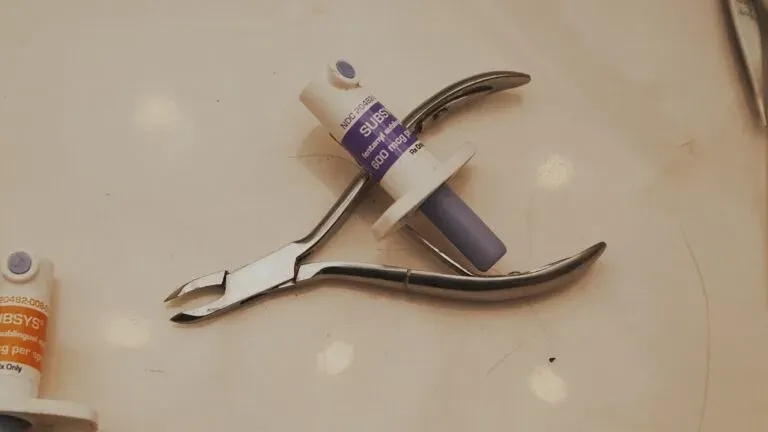
Subsys was approved by the FDA for exactly one use: breakthrough pain in cancer patients already tolerant to opioids, delivered as a fentanyl spray under the tongue so potent that its own label warned it could be fatal to someone without an existing opioid tolerance. Insys Therapeutics built a bribery operation to get it prescribed to people who didn't have cancer at all.
In May 2019, a federal jury in Boston convicted Insys founder John Kapoor and four other executives of racketeering conspiracy — the first successful prosecution of pharmaceutical executives on organized-crime-style charges for their role in the opioid epidemic. The scheme they ran had two halves: pay doctors to prescribe a fentanyl spray to patients who didn't need it, then lie to insurance companies to make sure those prescriptions got paid for.
The Speaker Program
Starting in March 2012, Insys sales representatives offered doctors slots in a "Speaker Program," ostensibly peer-education dinners where a paid physician would brief colleagues on Subsys. In practice, prosecutors showed the events were frequently attended by the prescribing doctor's own staff, friends, or nobody with prescribing authority at all, with no educational content delivered and sign-in sheets forged to make it look otherwise.
The arrangement was transactional and explicit, according to trial evidence: the more Subsys a doctor prescribed, and the higher the dose, the more speaking slots — and speaking fees — that doctor received. Neurologist Gavin Awerbuch, who ran a pain clinic near Saginaw, Michigan, and was at one point the largest Medicare prescriber of Subsys in the country, took in more than $138,000 in speaker payments; he was later sentenced separately to 32 months in prison and ordered to pay $4.1 million in restitution after admitting he wrote Subsys prescriptions for no legitimate medical purpose.
Calling From "the Doctor's Office"
Subsys cost far more than other fentanyl products, and insurers required prior authorization — proof the patient actually had cancer pain — before they'd pay for it. Insys's answer, starting in November 2012, was a dedicated internal call center prosecutors called the "reimbursement unit," staffed by employees trained to get those authorizations approved regardless of the facts.
- Reimbursement unit staff routinely told insurers they were calling from the prescribing doctor's office, not from Insys, obscuring who was actually making the case for the prescription.
- Staff told insurers patients were being treated for "breakthrough cancer pain" — the only FDA-approved use — when many had no cancer diagnosis at all.
- Staff falsely told insurers patients had dysphagia (difficulty swallowing), a claim used to justify a non-formulary drug like a sublingual spray.
- Staff falsely claimed patients had already tried and failed on cheaper alternative drugs, satisfying insurers' step-therapy requirements when no such attempt had occurred.
The unit's approval rate became a sales metric. Employees who got prior authorizations approved were tracked and rewarded internally; the Boston Globe's review of trial evidence described a call floor run with the same quota pressure as any outbound sales operation, except the product being sold was fentanyl and the customer being misled was the patient's insurer.
The Trial
- October 2017: The DEA and federal prosecutors arrest and charge Kapoor with racketeering conspiracy, making him the highest-ranking pharmaceutical executive charged in connection with the opioid crisis to that point.
- January 2019: Former CEO Michael Babich and former vice president of sales Alec Burlakoff plead guilty and testify against Kapoor and the remaining defendants at trial.
- May 2, 2019: After a ten-week trial and 15 days of jury deliberation, Kapoor and four co-defendants — Burlakoff, Babich, and regional sales directors Sunrise Lee and Joseph Rowan, along with national sales director Richard Simon (convicted separately in the same proceeding) — are found guilty of racketeering conspiracy.
- January 2020: Kapoor is sentenced to 66 months (five and a half years) in federal prison and fined $250,000. Babich receives 30 months, Simon 33 months, Rowan 27 months, Burlakoff 26 months, and Lee one year and one day — the cooperating witnesses receiving lighter terms than several who went to trial.
The Company Settles, and Folds
On June 5, 2019 — a month after its own founder's conviction — Insys reached a $225 million settlement with the Department of Justice: $195 million to resolve civil False Claims Act liability, plus a criminal deferred prosecution agreement covering five counts of mail fraud, under which Insys Pharma paid $30 million in fines and forfeiture and admitted the conduct underlying the charges.
Five days later, on June 10, 2019, Insys Therapeutics filed for Chapter 11 bankruptcy in Delaware. The company that had built a call center to convince insurers to pay for a drug it was busy bribing doctors to over-prescribe could not, in the end, afford to pay the government for having done it.
Subsys is still an FDA-approved drug, still indicated for exactly the same narrow population it always was — opioid-tolerant cancer patients in breakthrough pain — now manufactured and sold by a different company after Insys's bankruptcy estate liquidated its assets. The call center is gone. The speaker program is gone. The only part of the arrangement that outlasted the company that built it is the drug itself, still available, still legal, still requiring the prior authorization that an entire department once existed to talk its way around.
Filed from public reporting:
- Bloomberg — Kapoor Is Convicted of Racketeering Plot to Drive Opioid Sales
- ABC News — Insys Founder John Kapoor Sentenced for Role in Fraud, Bribery Scheme That Contributed to Opioid Crisis
- NPR — Pharmaceutical Executive John Kapoor Sentenced To 66 Months In Prison In Opioid Trial
- NPR — Pharmaceutical Executives Face Prison Time In Case Linked To Opioid Crisis
- The Boston Globe — Here's How Insys Schemed to Deceive Insurance Companies
- Insurance Journal — How High-Pressure Insys Prescription Call Center Lied to Insurers to Sell Opioids
- DEA — Founder and Owner of Pharmaceutical Company Insys Arrested and Charged With Racketeering
- Whistleblower Law Collaborative — Kickback Convictions for Sham Speaker Events
- KJZZ — Insys Prescriber Sentenced To Prison For Health Care Fraud
- BioPharma Dive — Opioid Maker Insys to Pay $225M to Settle Fraud Charges
- SEC EDGAR — Insys Therapeutics, Inc. Form 8-K (Chapter 11 Bankruptcy Filing)
- Opioid Help — Insys Founder, Top Executives Sentenced to Years in Prison


