NYC's Emergency Outdoor Dining Program Saved 90,000 Jobs. Then the Rats Showed Up.


In June 2020, New York City let restaurants build outdoor dining setups on sidewalks and in traffic lanes with almost no red tape, a genuine emergency lifeline that the city itself credits with saving roughly 90,000 jobs. Four years later, the "almost no red tape" part was the first thing to go. The replacement program comes with a five-to-six-month permit review, seasonal roadway limits, and a design manual — the regulatory equivalent of finally reading the room after the room has filled up with rats.
An Emergency Program That Worked Too Well
Mayor Bill de Blasio created Open Restaurants by emergency executive order on June 18, 2020, letting more than 10,300 establishments set up sidewalk and roadway seating with minimal permitting while indoor dining was restricted or banned outright. It was, by most measures, a rare pandemic-era policy success — restaurants stayed in business, a meaningful chunk of the city's food-service jobs survived, and outdoor dining became a genuinely popular fixture of New York streets rather than a grudging workaround.
Then Came the Rats, the Noise, and the Lawsuit
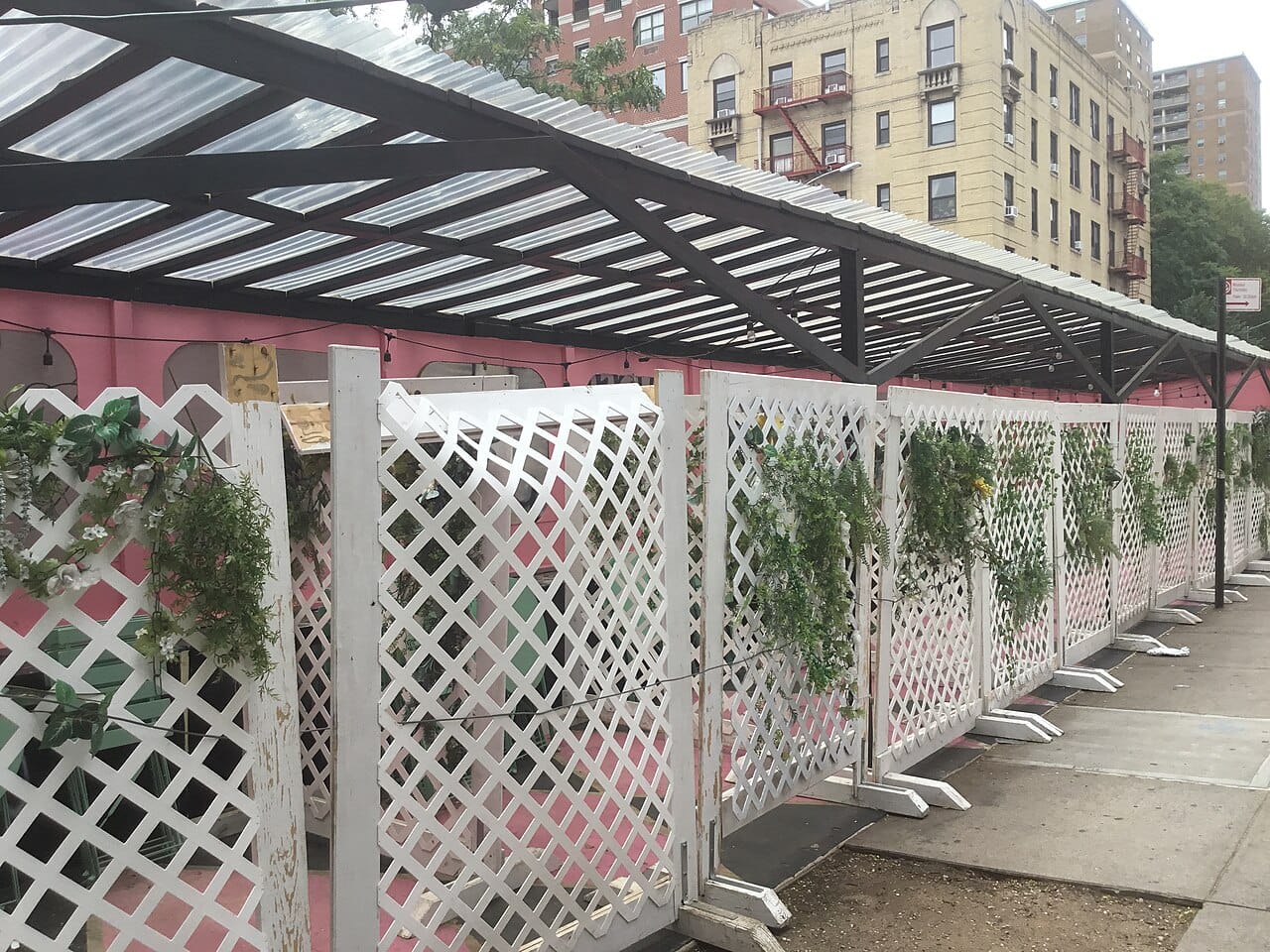
Popularity brought scale, and scale brought complaints: unattended roadway sheds became overnight shelter for rats, structures were built well outside any consistent design standard, noise and lost parking angered residents who lived above the dining rooms below, and some sheds were simply abandoned once a restaurant closed, left to rot in place. A group of 35 residents eventually sued the city to end the program outright, citing noise, garbage, and rodents. Mayor Eric Adams ordered an initial demolition blitz of abandoned structures in August 2022, removing two dozen in one pass.
The Replacement Program Reads Like a Punishment
The city's permanent successor, "Dining Out NYC," took final effect on March 3, 2024, and it is not a gentler version of the emergency rules — it's a genuinely stricter regime. Roadway dining is now limited to April through November instead of running year-round; every structure must meet detailed size and design standards; operators need a formal, revocable four-year license rather than a rubber-stamped registration; and the review process for a new application now runs five to six months, compared to the original program's near-instant signup. Existing operators had until August 3, 2024 to get compliant or start racking up violations.
What "Nice Thing" Actually Got Removed
Outdoor dining itself survived — plenty of restaurants still have seating on the sidewalk. What disappeared was the specific 2020 version: free, fast, unregulated, built overnight by restaurant owners with plywood and good intentions. What replaced it is legal, permitted, seasonal, and took the city the better part of four years to finish designing — proof that "we'll figure out the rules later" and "the rules will ever actually get figured out quickly" are two very different promises.
Filed from public reporting:


