Red Lobster Invented 'Endless Shrimp.' Then a Shareholder Who Sells Shrimp Made It Permanent.

A seasonal promotion became a permanent menu item, shrimp prices spiked, and the math never worked again.

Share
Red Lobster Invented 'Endless Shrimp.' Then a Shareholder Who Sells Shrimp Made It Permanent.
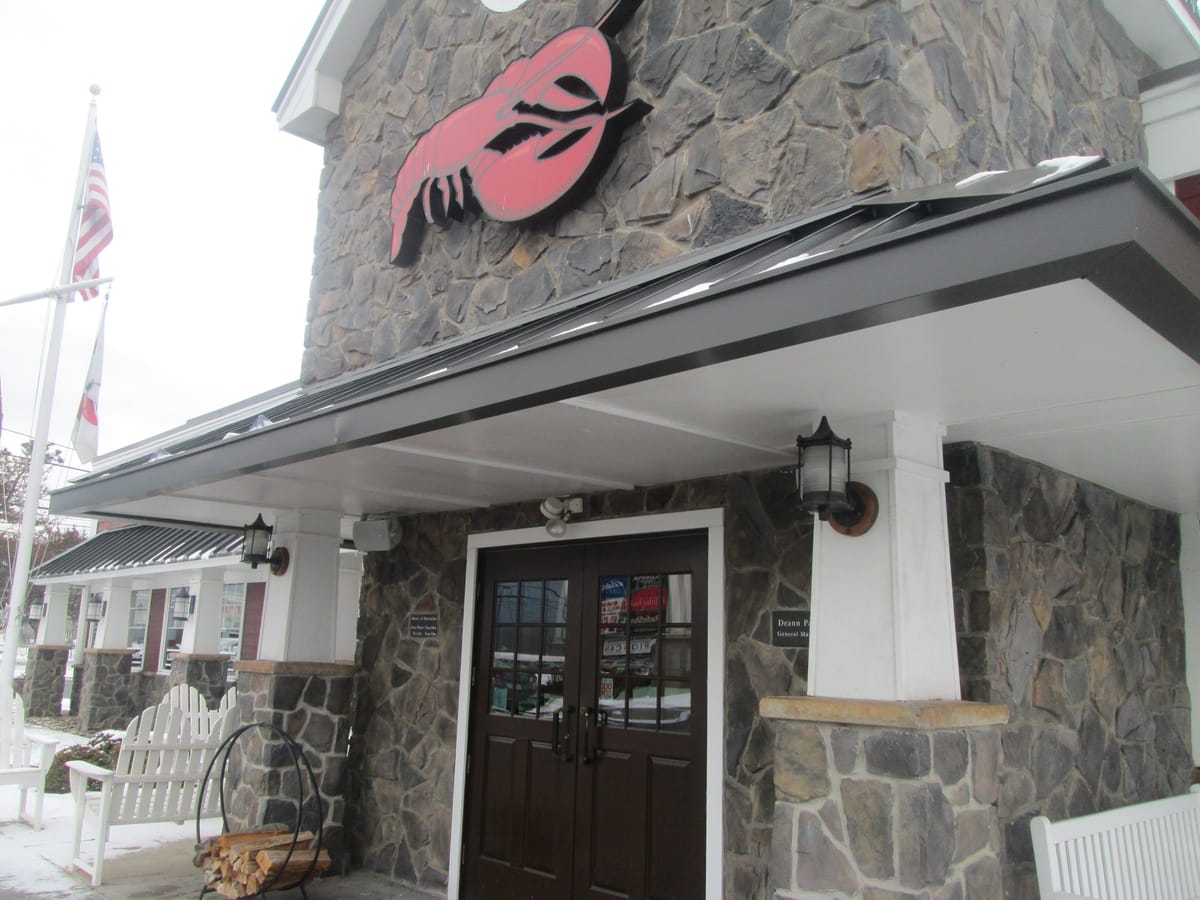
A Red Lobster restaurant storefront. Photo: Random Retail, Wikimedia Commons, CC BY 2.0.

For twenty years, "Endless Shrimp" was a seasonal promotion at Red Lobster — a few weeks a year, all the shrimp you could eat, priced to bring people through the door and sell them drinks and appetizers once they were inside. In 2023, under pressure from its majority owner, the company made one small change to the deal: it stopped being seasonal. Endless Shrimp became a permanent menu item. The restaurant chain that survived four decades of casual-dining collapse was bankrupt within a year.

The Owner Who Also Sells the Shrimp

Thai Union Group, a Bangkok-based seafood conglomerate, held a majority stake in Red Lobster and also happened to be one of the world's largest shrimp suppliers. When Thai Union pushed to make Endless Shrimp permanent in 2023, it wasn't reviving a beloved promotion out of nostalgia — it was creating standing demand for its own product, at a company it partly owned, using the promotion as the delivery mechanism. It is, on paper, an efficient piece of vertical integration. It is also the reason Red Lobster does not currently have 130 of the restaurants it used to have.
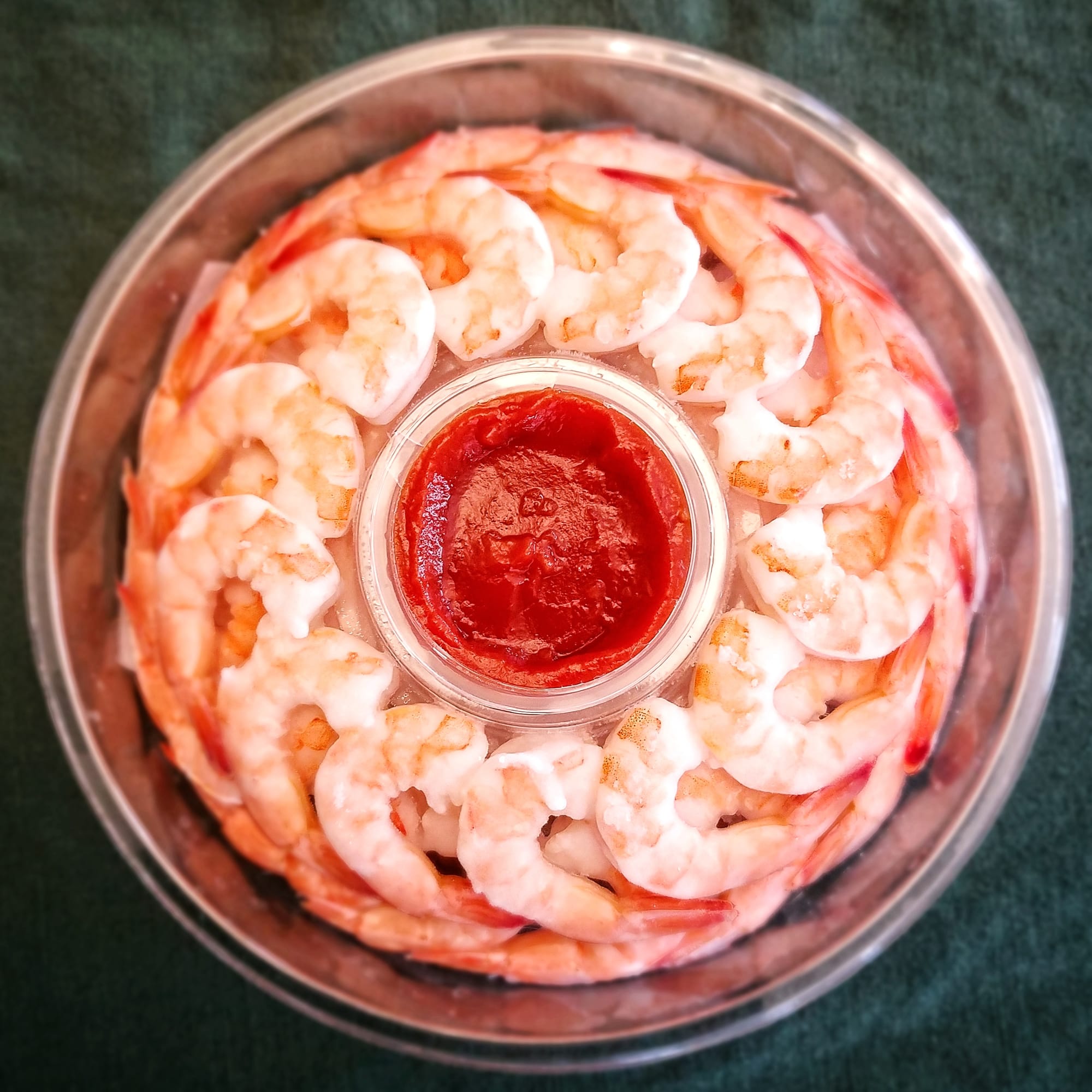
A platter of cooked shrimp. Photo: Daderot, Wikimedia Commons, CC0 public domain dedication.

The Math Nobody Ran Before Saying Yes

Shrimp prices rose sharply through 2023 as demand climbed — including, one assumes, demand created by chains promising unlimited shrimp to anyone who walked in. Red Lobster's own financial disclosures put the damage at $11 million in losses in a single quarter once the promotion went permanent, on a $20 price point that could not cover the cost of what a genuinely hungry, genuinely unlimited customer was capable of ordering. Restaurants exist on the assumption that most people won't take "unlimited" literally. Enough people did.

Chapter 11, One Year Later

Red Lobster filed for Chapter 11 bankruptcy in May 2024, closing roughly 130 locations in the process — a chain that had weathered the death of nearly every other casual-dining brand from its era, undone by the one promise it made too permanent and too literal. The company's own executives would later describe Endless Shrimp as one of several factors, alongside long-term lease obligations and falling foot traffic, but it's the one that made headlines, because it's the one that's actually fun to explain: they gave people all the shrimp they wanted, and people wanted a lot of shrimp.
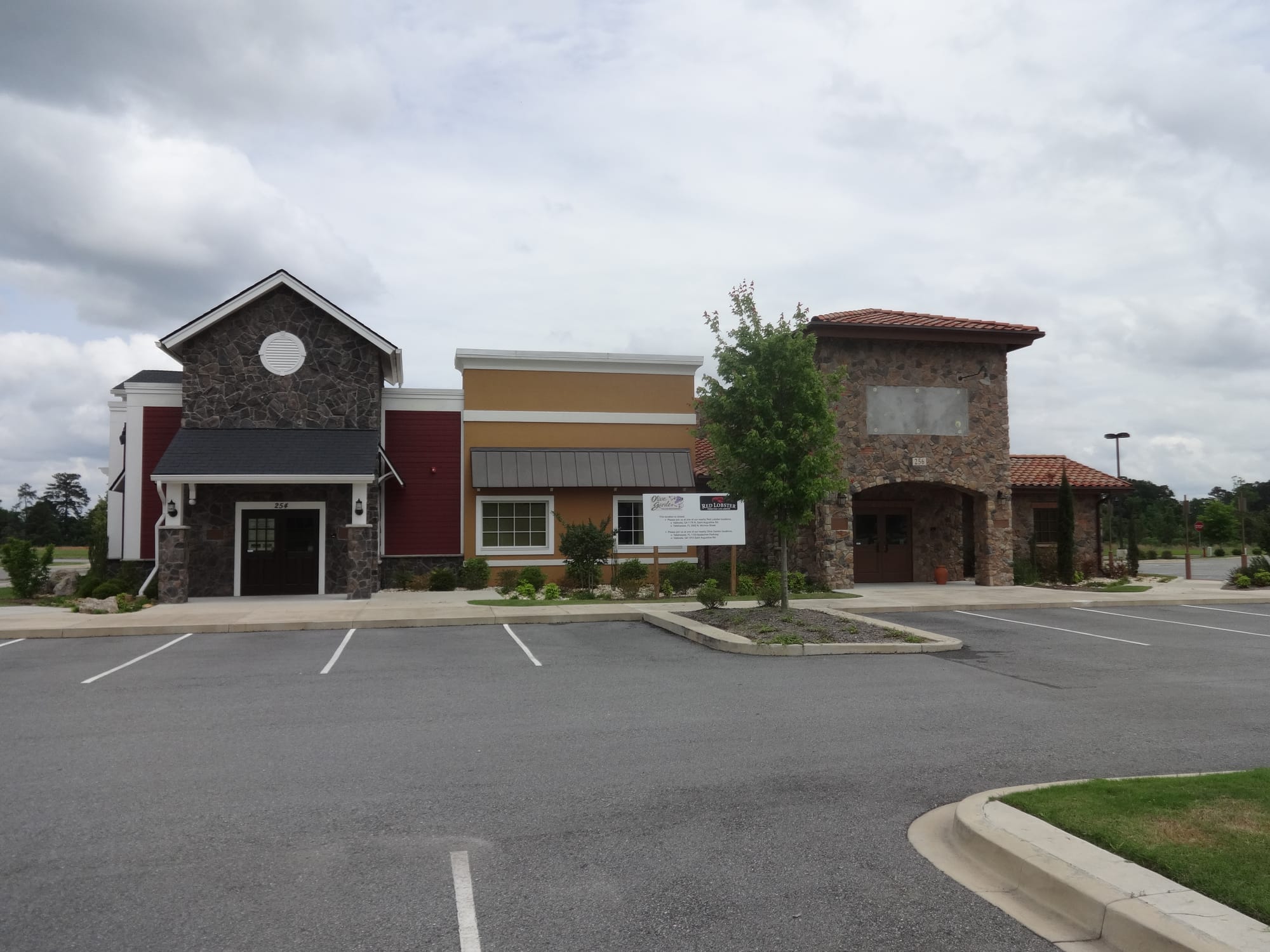
A closed Red Lobster restaurant location. Photo: Michael Rivera, Wikimedia Commons, CC BY-SA 4.0.

It Came Back. It Costs More Now.

Red Lobster emerged from bankruptcy under new ownership, and in April 2026, Endless Shrimp returned to menus for the first time since the collapse — priced at $24.99 to $29.99, up from the $20 that broke the company. The lesson, applied precisely once, seems to be: unlimited is fine, as long as it's priced like it might actually happen. It took one bankruptcy and 130 closed restaurants to arrive at that pricing, which is either a remarkably expensive way to learn basic arithmetic or exactly on schedule for how this site expects these stories to end.


Filed from public reporting:

Read more

A Hand-Tightened Blind Flange and a Botched Shift Handover Killed 167 Men on Occidental Petroleum's Piper Alpha Platform in 22 Minutes. No One at the Company Was Ever Criminally Charged.

A Hand-Tightened Blind Flange and a Botched Shift Handover Killed 167 Men on Occidental Petroleum's Piper Alpha Platform in 22 Minutes. No One at the Company Was Ever Criminally Charged.

At around 10 p.m. on July 6, 1988, a pressure safety valve that had been pulled for maintenance that morning let gas condensate leak past a blind flange that had only been hand-tightened. Within 22 minutes, the Piper Alpha platform, 120 miles northeast of Aberdeen in the North

By The Complaints Department
Netflix Spent Six Years Telling Customers Love Is Sharing a Password. Once It Started Charging $7.99 a Month Per Shared Password Instead, Subscriber Growth Hit Its Best Year Since the Pandemic.

Netflix Spent Six Years Telling Customers Love Is Sharing a Password. Once It Started Charging $7.99 a Month Per Shared Password Instead, Subscriber Growth Hit Its Best Year Since the Pandemic.

On March 10, 2017, Netflix's official Twitter account posted four words that would follow the company around for the next six years: "Love is sharing a password." It was a promo tweet for a show called Love, but it was also, unmistakably, a policy statement — an

By The Complaints Department
New York Paused Congestion Pricing for 'Affordability' Weeks Before a 2024 Election, Then Relaunched It at a Lower Price Once Voting Was Over. A Year Later, Traffic Was Down 11 Percent and the Federal Government Was Still in Court Trying to Kill It.

New York Paused Congestion Pricing for 'Affordability' Weeks Before a 2024 Election, Then Relaunched It at a Lower Price Once Voting Was Over. A Year Later, Traffic Was Down 11 Percent and the Federal Government Was Still in Court Trying to Kill It.

On June 5, 2024, Governor Kathy Hochul stood before reporters and "indefinitely paused" New York's Central Business District Tolling Program, the long-planned congestion charge for driving into Manhattan below 60th Street. The launch was three weeks away. Hochul cited affordability concerns for working- and middle-

By The Complaints Department
Twitter Cut Off the Third-Party Apps That Built Its Developer Ecosystem in January 2023 With No Warning. One of Those Apps Coined the Word Tweet and Designed Twitter's Bird Logo Before Twitter Had Either.

Twitter Cut Off the Third-Party Apps That Built Its Developer Ecosystem in January 2023 With No Warning. One of Those Apps Coined the Word Tweet and Designed Twitter's Bird Logo Before Twitter Had Either.

On January 13, 2023, Twitter's API went dark for third-party client apps with no announcement and no explanation. Tweetbot, Twitterrific, Fenix, and others simply stopped working, all at once, for everyone. Developers spent days guessing whether it was a bug, an outage, or deliberate. Four days later,

By The Complaints Department