Starbucks Let Anyone Sit Down for Free for Seven Years. Then It Just Stopped.

A policy written to stop one bad 911 call became a blanket rule for 10,000 stores, until it couldn't anymore.

Share
Starbucks Let Anyone Sit Down for Free for Seven Years. Then It Just Stopped.
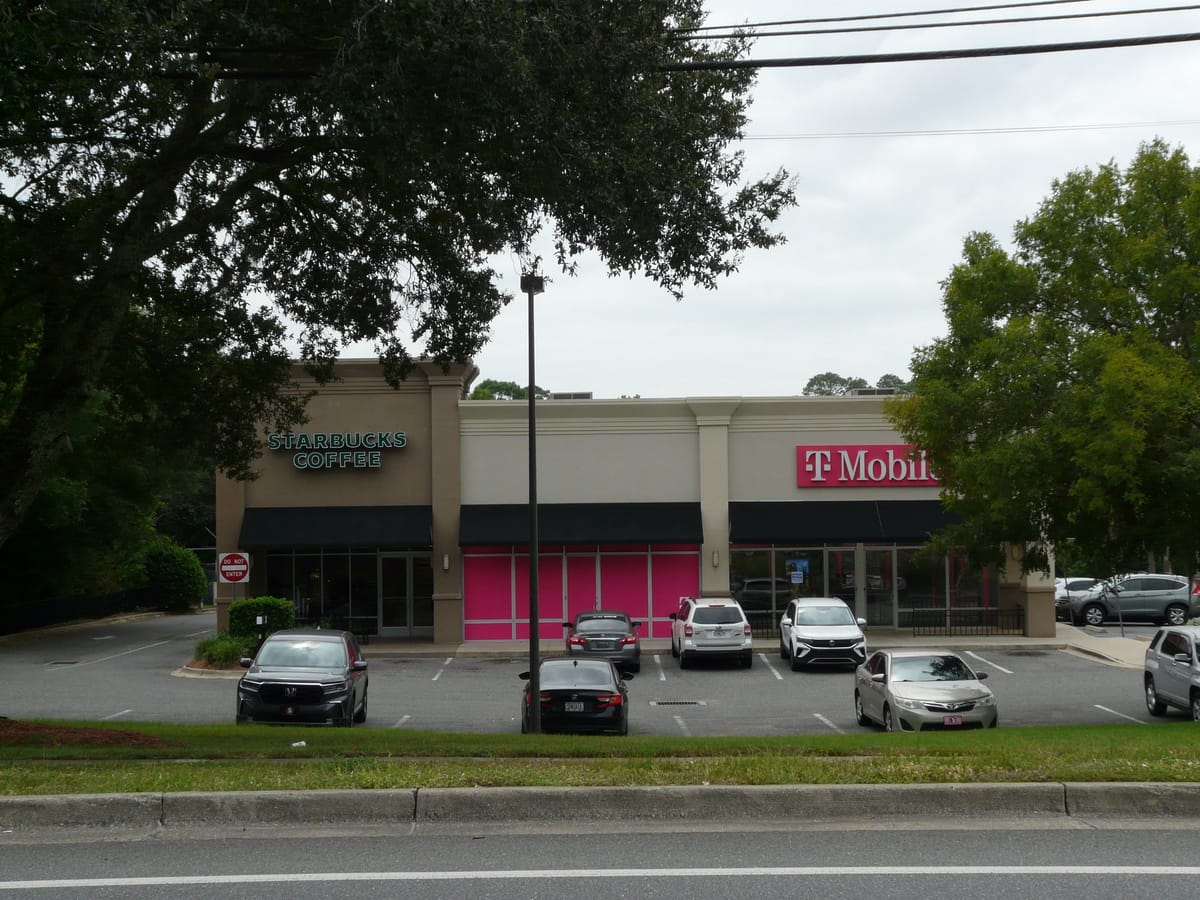
A Starbucks coffee shop storefront. Photo: The Bushranger, Wikimedia Commons, CC BY-SA 4.0.

In 2018, after two Black men were arrested in a Philadelphia Starbucks for sitting down without ordering, the company announced an "open-door" policy: anyone could use a Starbucks restroom or sit in its seating, purchase or no purchase. It was framed at the time as a permanent civil-rights correction. In January 2025, under a new CEO trying to fix a chain that had spent years losing customers to exactly this kind of ambient chaos, Starbucks reversed it.

A Policy Written for One Incident, Applied to Every Store

The open-door policy was, in its origin, narrowly aimed: don't call the police on people who are simply sitting in a coffee shop while Black. What it became, over six years and roughly 10,000 U.S. locations, was a blanket standing invitation for anyone to treat any Starbucks as a public restroom and rest stop, purchase never required, staff never empowered to ask anyone to leave for any reason short of an emergency.

The Complaint That Took Years to Say Out Loud

By 2022, former CEO Howard Schultz was already publicly describing a "mental health crisis" playing out inside Starbucks locations, and the company closed 16 stores that year specifically citing safety issues tied to drug use and disruptive behavior — six of them in Starbucks's own hometown of Seattle. Employees had been saying versions of this for longer than that: an open-door policy without an open-door staffing model just means baristas are now also, unofficially, in charge of de-escalating whatever walks in off the street, unpaid and untrained for the part of the job nobody put in the listing.

The Reversal, Under a CEO Who Needed a Win

CEO Brian Niccol's turnaround plan for Starbucks — brought in specifically to reverse years of declining sales and deteriorating in-store experience — restored the purchase requirement to sit down or use the restroom, alongside a broader "code of conduct" posted in stores. The company's own framing was about "prioritizing paying customers" and giving staff clearer, enforceable rules. Which is true. It's also a quiet admission that the fully open version of the policy had, in practice, become close to unworkable at scale.

Two Correct Ideas That Couldn't Both Survive Contact With 10,000 Stores

Nothing about the original 2018 impulse was wrong — companies shouldn't be calling police on customers for existing. But "no purchase necessary, anyone, anywhere, indefinitely" and "a coffee shop that isn't also serving as an unstaffed day shelter" turned out to be two different policies wearing the same name, and only one of them was ever going to survive contact with 10,000 locations and seven years of foot traffic. The purchase requirement is back. The reason it left in the first place hasn't gone anywhere either — it just isn't Starbucks's problem to solve at the counter anymore.


Filed from public reporting:

Read more

A Hand-Tightened Blind Flange and a Botched Shift Handover Killed 167 Men on Occidental Petroleum's Piper Alpha Platform in 22 Minutes. No One at the Company Was Ever Criminally Charged.

A Hand-Tightened Blind Flange and a Botched Shift Handover Killed 167 Men on Occidental Petroleum's Piper Alpha Platform in 22 Minutes. No One at the Company Was Ever Criminally Charged.

At around 10 p.m. on July 6, 1988, a pressure safety valve that had been pulled for maintenance that morning let gas condensate leak past a blind flange that had only been hand-tightened. Within 22 minutes, the Piper Alpha platform, 120 miles northeast of Aberdeen in the North

By The Complaints Department
Netflix Spent Six Years Telling Customers Love Is Sharing a Password. Once It Started Charging $7.99 a Month Per Shared Password Instead, Subscriber Growth Hit Its Best Year Since the Pandemic.

Netflix Spent Six Years Telling Customers Love Is Sharing a Password. Once It Started Charging $7.99 a Month Per Shared Password Instead, Subscriber Growth Hit Its Best Year Since the Pandemic.

On March 10, 2017, Netflix's official Twitter account posted four words that would follow the company around for the next six years: "Love is sharing a password." It was a promo tweet for a show called Love, but it was also, unmistakably, a policy statement — an

By The Complaints Department
New York Paused Congestion Pricing for 'Affordability' Weeks Before a 2024 Election, Then Relaunched It at a Lower Price Once Voting Was Over. A Year Later, Traffic Was Down 11 Percent and the Federal Government Was Still in Court Trying to Kill It.

New York Paused Congestion Pricing for 'Affordability' Weeks Before a 2024 Election, Then Relaunched It at a Lower Price Once Voting Was Over. A Year Later, Traffic Was Down 11 Percent and the Federal Government Was Still in Court Trying to Kill It.

On June 5, 2024, Governor Kathy Hochul stood before reporters and "indefinitely paused" New York's Central Business District Tolling Program, the long-planned congestion charge for driving into Manhattan below 60th Street. The launch was three weeks away. Hochul cited affordability concerns for working- and middle-

By The Complaints Department
Twitter Cut Off the Third-Party Apps That Built Its Developer Ecosystem in January 2023 With No Warning. One of Those Apps Coined the Word Tweet and Designed Twitter's Bird Logo Before Twitter Had Either.

Twitter Cut Off the Third-Party Apps That Built Its Developer Ecosystem in January 2023 With No Warning. One of Those Apps Coined the Word Tweet and Designed Twitter's Bird Logo Before Twitter Had Either.

On January 13, 2023, Twitter's API went dark for third-party client apps with no announcement and no explanation. Tweetbot, Twitterrific, Fenix, and others simply stopped working, all at once, for everyone. Developers spent days guessing whether it was a bug, an outage, or deliberate. Four days later,

By The Complaints Department