The National Parks Fixed Their Overcrowding Problem With Reservations. Then They Un-Fixed It.
Timed entry actually worked. It got scrapped anyway in 2026 — and the gridlock came right back.

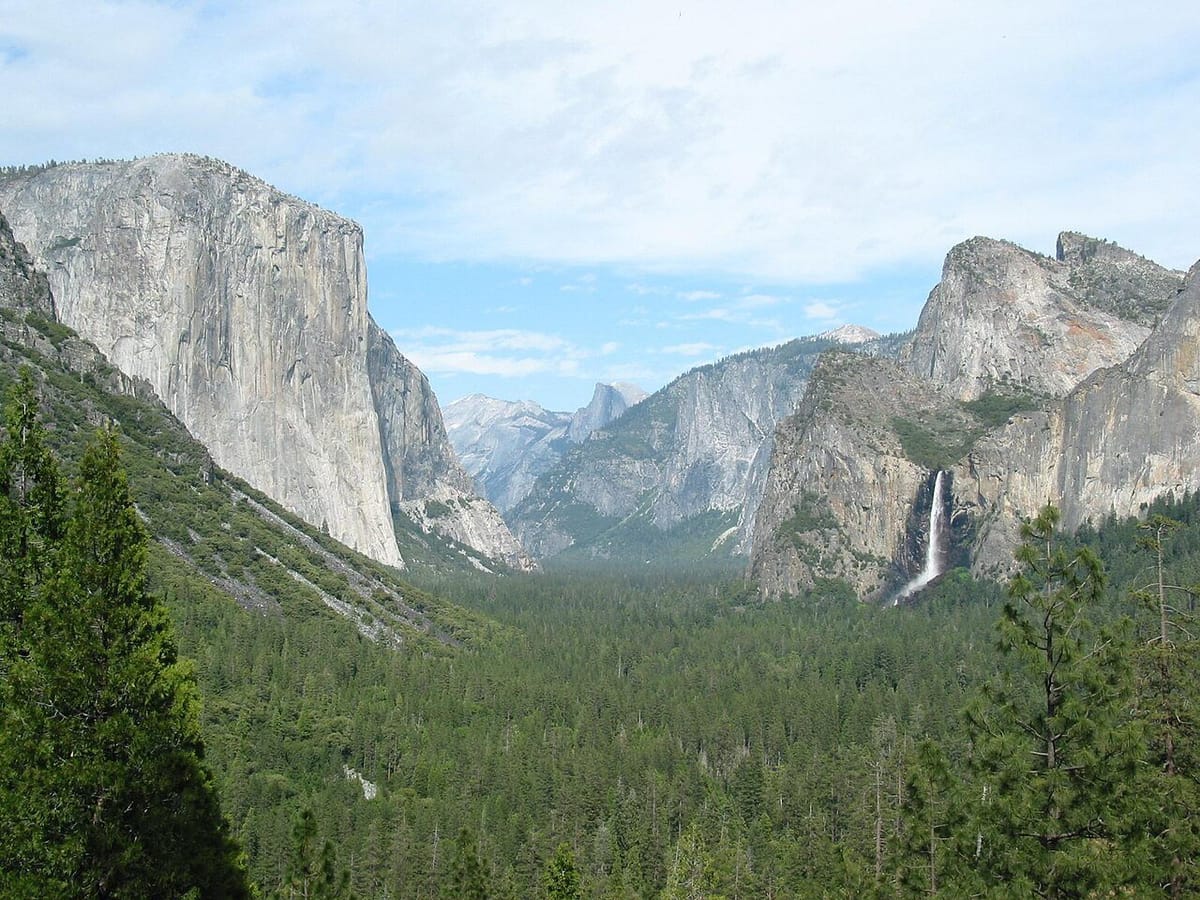
Yosemite, Arches, and Glacier all had the same problem in the early 2020s: too many cars, not enough parking, trailheads so congested that "wilderness experience" had started to mean standing in a line. The National Park Service's fix — timed-entry reservations, so only so many vehicles could enter per hour — actually worked. This year, the parks took the fix away too.
The Problem the Reservations Actually Solved
Yosemite introduced timed entry in 2021, Glacier the same year, Arches in 2022 — each one responding to years of documented overtourism: gridlocked entrance roads, trailhead parking lots full by mid-morning, and rangers spending more time directing traffic than protecting the terrain the traffic was there to see. The reservation systems weren't popular with everyone, but they did the one thing they were built to do: they capped how many people could show up on the worst days, and the worst days got measurably better.
Then, in February 2026, the National Park Service Rolled It Back
Arches, Yosemite, Glacier, and Mount Rainier have all stepped back from timed-entry systems they'd used in recent years, leaving Rocky Mountain National Park as the only major park still running one in 2026. The Park Service's stated reasoning centered on visitor complaints about the reservation process itself — the friction of booking ahead, the visitors turned away without one, the sense that a national park shouldn't require an app and a time slot. All reasonable complaints. All aimed at the mechanism that was keeping the actual park usable.
The Traffic Came Back Almost Immediately
As Yosemite hit peak summer visitation this year, without the entry cap that had been managing peak visitation for the previous four, visitors began reporting exactly the conditions the reservation system was built to prevent: no parking at trailheads, long lines of backed-up traffic, and illegal parking spilling into sensitive habitat along the roadside. California state legislators have since started publicly calling for the timed-entry system's return — inside the same year it was removed.
You Can Complain About the Fix, or You Can Complain About the Problem
This is a slightly different shape of story than most on this site: nothing was taken away because a company found it unprofitable, and nothing was abused into extinction. A working solution to a real, well-documented problem was removed because using it was mildly annoying, and the problem it solved came right back, on schedule, in time for the same people who disliked the reservation system to start asking for it again. The parks aren't short on nice things. They're short on the patience to keep one long enough to find out it was working.
Filed from public reporting:
- Yahoo Travel — National parks that could require reservations year-round
- Daily Passport — Yosemite eliminates its reservation requirement
- Matador Network — Three iconic parks scrapped their reservation systems
- Outside — More national parks are canceling timed-entry reservations
- Lonely Planet — Arches required reservations starting April 2022


