The World Has Three Pollution Leaderboards. Almost No Country Tops More Than One.


Clean air and a stable climate are, by any reasonable definition, nice things — free ones, in fact, that every human on Earth was born with a claim to. Figuring out who's spent that inheritance, and who's currently still spending it, turns out to require three separate leaderboards, and almost no country places in the top three of more than one of them.
Leaderboard One: Who's Emitting the Most, Right Now
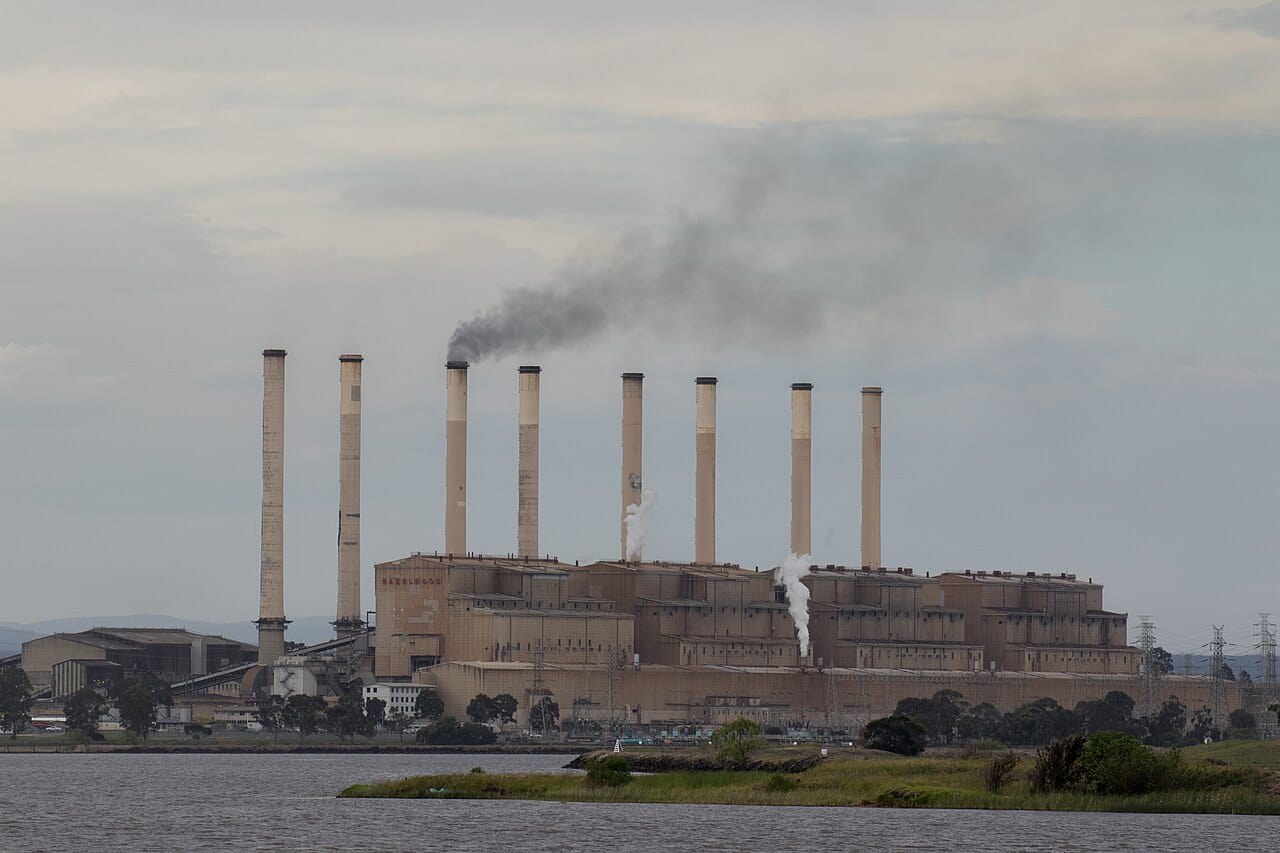
By total current greenhouse gas output, China is the world's largest emitter by a wide margin — the Global Carbon Project's 2024 Global Carbon Budget puts China at roughly 32% of global fossil CO2 emissions for the year, with the United States a distant second at about 13% and India third at around 8%. Depending on the exact dataset, China's 2024 figure comes out to something like 12.3 billion tonnes of CO2 against the US's 4.9 billion — a gap wide enough that China alone outproduces the next two largest emitters combined.
Leaderboard Two: Who Actually Broke It
Annual output is one measure, but CO2 lingers in the atmosphere for centuries, which means the more honest scorecard is cumulative — who's been emitting the longest, not just the most this year. On that leaderboard, the United States moves from a distant second to a comfortable first: analysis from Carbon Brief puts America's share of cumulative CO2 emissions since 1750 at around a quarter of the global total, roughly 400-plus billion tonnes, ahead of the European Union and China, who have spent decades trading second and third place depending on exactly how the accounting is done. China's current-day output is enormous, but it started industrializing at scale roughly a century after the countries currently lecturing it about it.
Leaderboard Three: Who's Actually Breathing the Consequences
Here's where the leaderboards stop rhyming entirely. Neither the current top emitter nor the historical top emitter shows up on the list of countries with the world's worst air. IQAir's 2024 World Air Quality Report found Chad had the highest average fine-particulate (PM2.5) pollution of any country measured — more than 18 times the World Health Organization's annual guideline — followed by Bangladesh at over 15 times the guideline and Pakistan at over 14 times. Chad's total historical contribution to the problem is close to a rounding error. It's simply where the air happens to be worst, for reasons that have more to do with dust, geography, and localized burning than with anyone's smokestacks.
Nobody's on All Three Podiums
Put the three leaderboards side by side and the joke writes itself: the country producing the most CO2 today isn't the country that caused most of the warming already baked in, and neither of them is where people are currently gasping through the dirtiest air on the planet. Responsibility, current output, and lived consequence turn out to be three almost entirely separate rankings — which is convenient for everyone arguing about whose job it is to fix any of it, and considerably less convenient for the roughly 8 billion people who'd just like to keep breathing the free thing they were born with.
Filed from public reporting:


