Theranos Promised a Blood Test Revolution and Delivered a Fraud Conviction

The device that was supposed to run hundreds of tests on a finger-prick of blood mostly ran on investor faith and unmarked competitor's machines.

Share
Theranos Promised a Blood Test Revolution and Delivered a Fraud Conviction
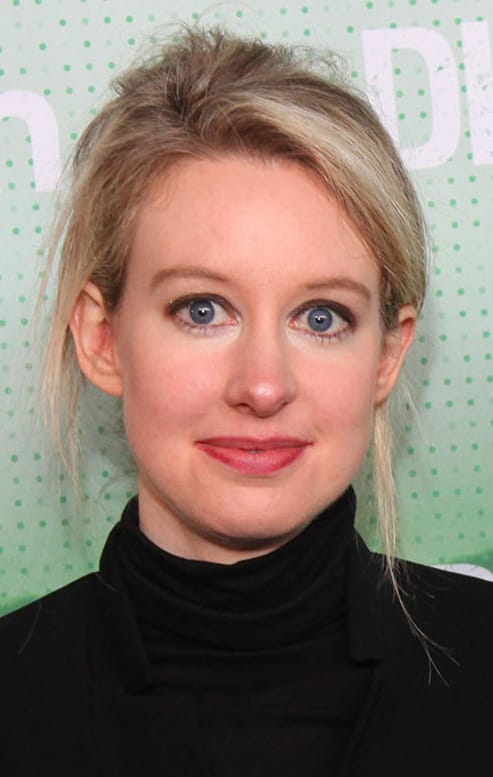
Elizabeth Holmes at TechCrunch Disrupt, 2014. Photo: Max Morse for TechCrunch, CC BY 2.0.

Theranos, founded in 2003 by a 19-year-old Stanford dropout named Elizabeth Holmes, promised to replace the traditional blood draw with a proprietary device called the Edison: hundreds of lab tests, run on just a few drops of blood from a finger prick, at a fraction of the cost. It raised more than $700 million on that promise and was, at its peak, valued at $9 billion.

The device did not work as advertised. Internally, Theranos ran most patient tests on modified, and in some cases outright unauthorized, commercial machines from other manufacturers, while presenting investors and the public with a technology that could reportedly do it all in-house. Employees who raised concerns about accuracy and safety were, according to later reporting and testimony, sidelined or silenced.

Investigative reporting by the Wall Street Journal in 2015 cracked the story open, and years of regulatory and criminal proceedings followed. On January 3, 2022, a federal jury convicted Holmes on four counts of investor fraud and conspiracy (she was acquitted on patient-related charges). She was sentenced to more than 11 years in prison and began serving her sentence in May 2023.

The tragedy for the actual mission — cheaper, less invasive diagnostics — is that it was a good pitch. It just wasn't a working product, and the gap between the two was filled entirely with confidence, non-disclosure agreements, and other people's blood.


Filed from public reporting:

Read more

A Hand-Tightened Blind Flange and a Botched Shift Handover Killed 167 Men on Occidental Petroleum's Piper Alpha Platform in 22 Minutes. No One at the Company Was Ever Criminally Charged.

A Hand-Tightened Blind Flange and a Botched Shift Handover Killed 167 Men on Occidental Petroleum's Piper Alpha Platform in 22 Minutes. No One at the Company Was Ever Criminally Charged.

At around 10 p.m. on July 6, 1988, a pressure safety valve that had been pulled for maintenance that morning let gas condensate leak past a blind flange that had only been hand-tightened. Within 22 minutes, the Piper Alpha platform, 120 miles northeast of Aberdeen in the North

By The Complaints Department
Netflix Spent Six Years Telling Customers Love Is Sharing a Password. Once It Started Charging $7.99 a Month Per Shared Password Instead, Subscriber Growth Hit Its Best Year Since the Pandemic.

Netflix Spent Six Years Telling Customers Love Is Sharing a Password. Once It Started Charging $7.99 a Month Per Shared Password Instead, Subscriber Growth Hit Its Best Year Since the Pandemic.

On March 10, 2017, Netflix's official Twitter account posted four words that would follow the company around for the next six years: "Love is sharing a password." It was a promo tweet for a show called Love, but it was also, unmistakably, a policy statement — an

By The Complaints Department
New York Paused Congestion Pricing for 'Affordability' Weeks Before a 2024 Election, Then Relaunched It at a Lower Price Once Voting Was Over. A Year Later, Traffic Was Down 11 Percent and the Federal Government Was Still in Court Trying to Kill It.

New York Paused Congestion Pricing for 'Affordability' Weeks Before a 2024 Election, Then Relaunched It at a Lower Price Once Voting Was Over. A Year Later, Traffic Was Down 11 Percent and the Federal Government Was Still in Court Trying to Kill It.

On June 5, 2024, Governor Kathy Hochul stood before reporters and "indefinitely paused" New York's Central Business District Tolling Program, the long-planned congestion charge for driving into Manhattan below 60th Street. The launch was three weeks away. Hochul cited affordability concerns for working- and middle-

By The Complaints Department
Twitter Cut Off the Third-Party Apps That Built Its Developer Ecosystem in January 2023 With No Warning. One of Those Apps Coined the Word Tweet and Designed Twitter's Bird Logo Before Twitter Had Either.

Twitter Cut Off the Third-Party Apps That Built Its Developer Ecosystem in January 2023 With No Warning. One of Those Apps Coined the Word Tweet and Designed Twitter's Bird Logo Before Twitter Had Either.

On January 13, 2023, Twitter's API went dark for third-party client apps with no announcement and no explanation. Tweetbot, Twitterrific, Fenix, and others simply stopped working, all at once, for everyone. Developers spent days guessing whether it was a bug, an outage, or deliberate. Four days later,

By The Complaints Department