Venmo's Payments Were Public by Default for Years. The FTC Had Questions.

Share
Venmo's Payments Were Public by Default for Years. The FTC Had Questions.
Photo by Tech Daily / Unsplash

For years, Venmo's default setting broadcast who you paid, when, and often why — a public social feed built on top of a payment app, as if splitting a pizza bill were content. The FTC eventually decided that "bank-grade security" and "your transactions are private" were things a company should only say if they're true. In February 2018, it settled with Venmo's owner PayPal over exactly that gap.

A Payment App That Wanted to Be a Social Network

Venmo's public feed was a genuine growth engine — watching a stream of your friends' payment captions ("rent 🏠", "tacos 🌮") made the app feel alive in a way bank transfers never had. But the "public by default" design meant plenty of users didn't realize how visible their transaction history actually was, and Venmo layered in a contacts-based auto-friending feature that could surface connections users hadn't chosen to make public at all.
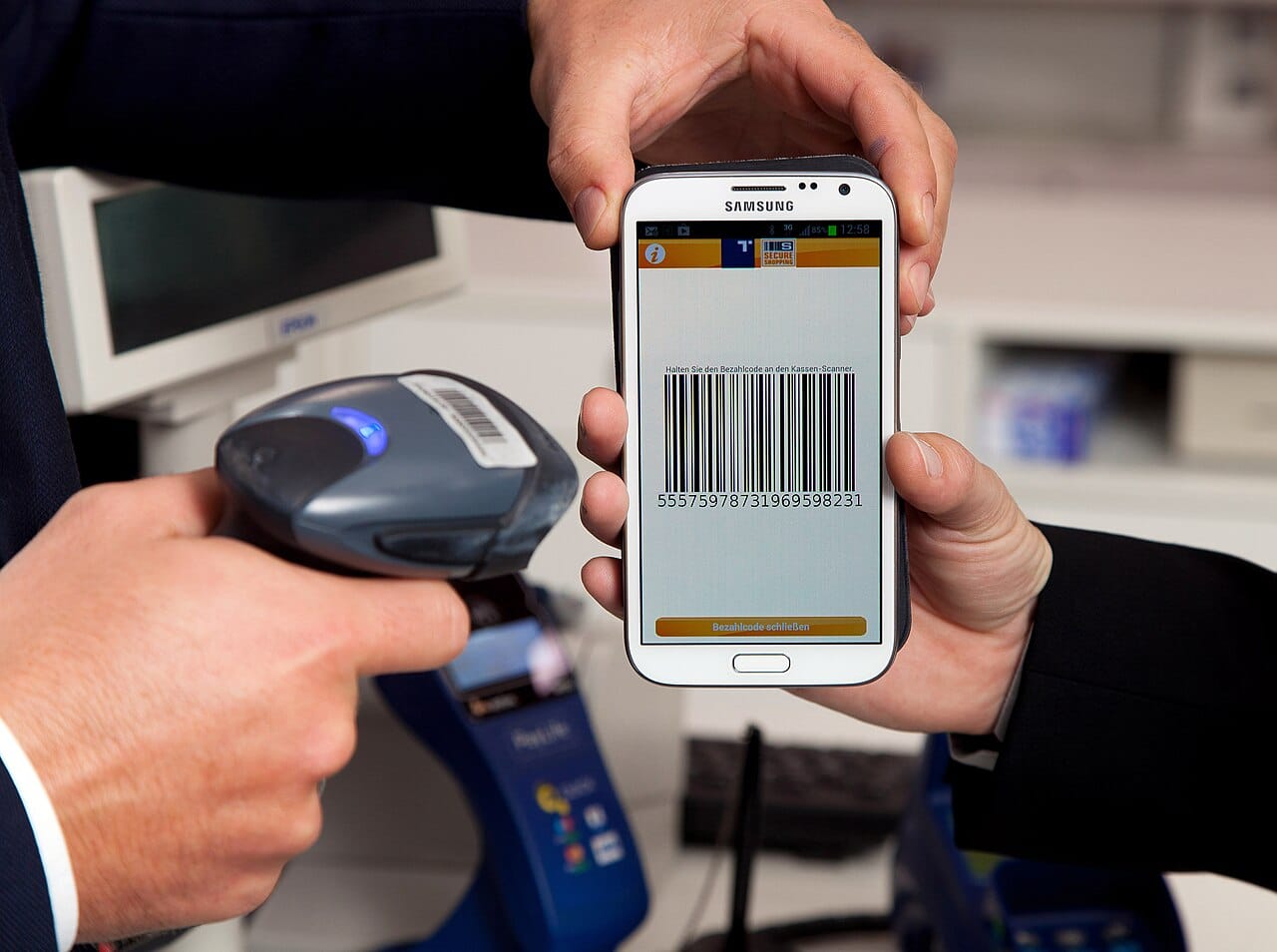
A smartphone displaying a mobile payment app. Photo: Richard Tanzer Fotografie, Wikimedia Commons, CC BY-SA 3.0.

The FTC's Actual Complaint

The FTC's case wasn't just about the public feed — it alleged Venmo misrepresented how private users' settings actually were, misrepresented the strength of its security as "bank-grade," and misled users about how easily money credited to their Venmo balance could actually be withdrawn, when in practice funds could be frozen or held for review despite marketing that implied instant access. Taken together, the agency argued, Venmo told users a cleaner story about privacy, security, and liquidity than the product actually delivered.

A Settlement, Not a Fine

The FTC announced a proposed settlement on February 27, 2018, with final approval following on May 24, 2018. There was no civil penalty attached — instead, PayPal agreed to stop misrepresenting privacy controls, security levels, and fund-transfer restrictions, to give users clearer disclosures, and to submit to independent compliance assessments every two years for the following decade. It's the regulatory equivalent of being grounded with extra chores instead of paying a fine: no check gets written, but someone is now checking your homework for ten years.

Private by Default, Eventually

Venmo has since shifted its defaults and given users clearer controls over who sees their payment history — the version of the app you use today assumes less publicness than the one the FTC investigated. The "nice thing" here was never really the public feed itself; it was the ability to use a payment app without reading a settlement to find out what it had actually been doing with your data the whole time.


Filed from public reporting:

Read more

A Hand-Tightened Blind Flange and a Botched Shift Handover Killed 167 Men on Occidental Petroleum's Piper Alpha Platform in 22 Minutes. No One at the Company Was Ever Criminally Charged.

A Hand-Tightened Blind Flange and a Botched Shift Handover Killed 167 Men on Occidental Petroleum's Piper Alpha Platform in 22 Minutes. No One at the Company Was Ever Criminally Charged.

At around 10 p.m. on July 6, 1988, a pressure safety valve that had been pulled for maintenance that morning let gas condensate leak past a blind flange that had only been hand-tightened. Within 22 minutes, the Piper Alpha platform, 120 miles northeast of Aberdeen in the North

By The Complaints Department
Netflix Spent Six Years Telling Customers Love Is Sharing a Password. Once It Started Charging $7.99 a Month Per Shared Password Instead, Subscriber Growth Hit Its Best Year Since the Pandemic.

Netflix Spent Six Years Telling Customers Love Is Sharing a Password. Once It Started Charging $7.99 a Month Per Shared Password Instead, Subscriber Growth Hit Its Best Year Since the Pandemic.

On March 10, 2017, Netflix's official Twitter account posted four words that would follow the company around for the next six years: "Love is sharing a password." It was a promo tweet for a show called Love, but it was also, unmistakably, a policy statement — an

By The Complaints Department
New York Paused Congestion Pricing for 'Affordability' Weeks Before a 2024 Election, Then Relaunched It at a Lower Price Once Voting Was Over. A Year Later, Traffic Was Down 11 Percent and the Federal Government Was Still in Court Trying to Kill It.

New York Paused Congestion Pricing for 'Affordability' Weeks Before a 2024 Election, Then Relaunched It at a Lower Price Once Voting Was Over. A Year Later, Traffic Was Down 11 Percent and the Federal Government Was Still in Court Trying to Kill It.

On June 5, 2024, Governor Kathy Hochul stood before reporters and "indefinitely paused" New York's Central Business District Tolling Program, the long-planned congestion charge for driving into Manhattan below 60th Street. The launch was three weeks away. Hochul cited affordability concerns for working- and middle-

By The Complaints Department
Twitter Cut Off the Third-Party Apps That Built Its Developer Ecosystem in January 2023 With No Warning. One of Those Apps Coined the Word Tweet and Designed Twitter's Bird Logo Before Twitter Had Either.

Twitter Cut Off the Third-Party Apps That Built Its Developer Ecosystem in January 2023 With No Warning. One of Those Apps Coined the Word Tweet and Designed Twitter's Bird Logo Before Twitter Had Either.

On January 13, 2023, Twitter's API went dark for third-party client apps with no announcement and no explanation. Tweetbot, Twitterrific, Fenix, and others simply stopped working, all at once, for everyone. Developers spent days guessing whether it was a bug, an outage, or deliberate. Four days later,

By The Complaints Department