China's Biggest Baby Formula Maker Was Cutting Milk With Plastic
Melamine made the protein numbers look right on a lab test. It did not make the formula safe to actually feed a baby.

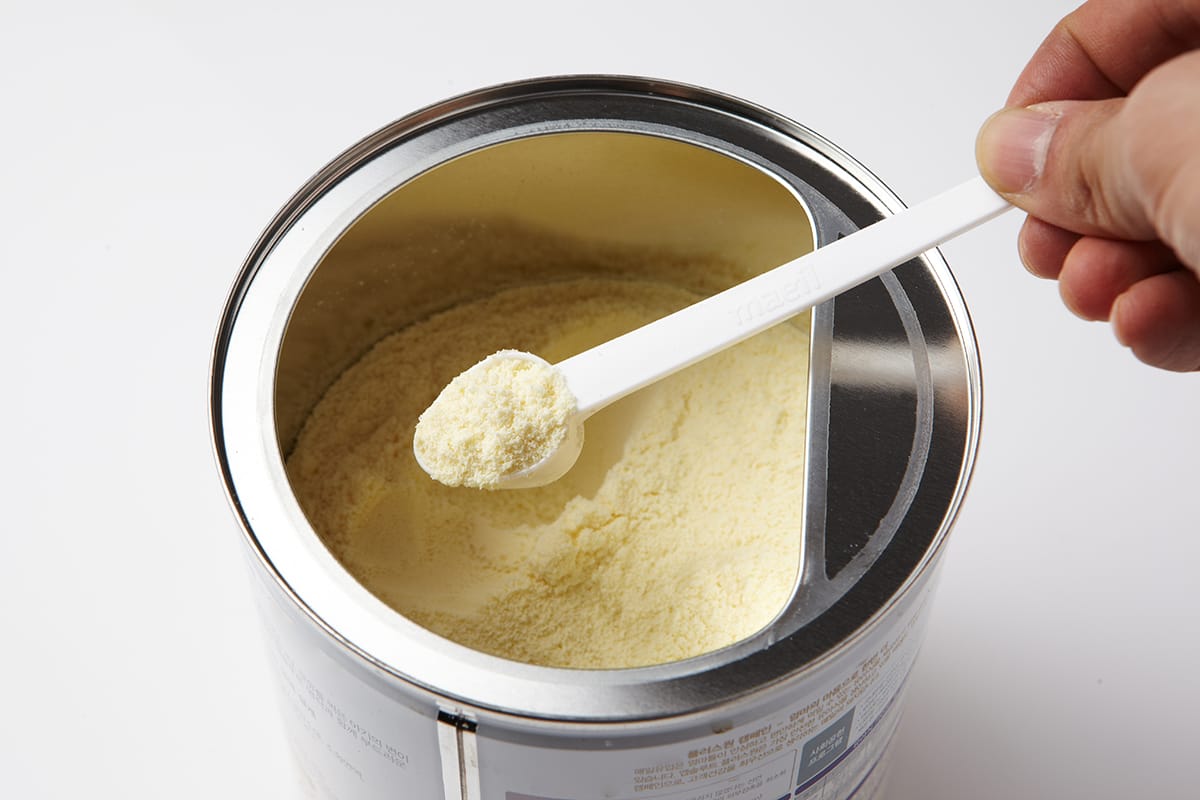
Sanlu Group was one of China's largest dairy producers, and its baby formula was watered down to stretch profits — a shortcut that also thinned the protein content low enough to risk failing quality inspections. The fix suppliers found was melamine, an industrial chemical used in plastics, which happens to fool the standard nitrogen-based protein test without adding any actual nutrition. It does, however, cause kidney stones and kidney failure in infants.
Sanlu became aware of the problem by early August 2008. China was weeks from hosting the Beijing Olympics and, according to later reporting, in no hurry to announce a food safety crisis during it. The public wasn't told until September 11, when the Health Ministry confirmed the contamination and Sanlu recalled 700 tons of formula — over a month after the company itself had known.
By the time the recall was public, an estimated 300,000 infants had been sickened, roughly 54,000 hospitalized, and six confirmed dead. Investigation found the practice wasn't confined to one company: 22 of China's dairy manufacturers, roughly one in five, had melamine-contaminated product on the market.
Sanlu's former chairwoman received a life sentence; two others involved in the supply chain were executed. It's the kind of scandal that gets cited, only half-jokingly, alongside a phrase some commentators on Chinese business culture use to describe a certain school of thought on getting ahead: néng piàn jiù piàn — roughly, "if you can cheat, then cheat." Whether or not it's a deep proverb or just a bitter modern joke, it was, for a few hundred thousand families, load-bearing.
Filed from public reporting:


