Retailers Start Pulling the Plug on Self-Checkout
Retailers built self-checkout to cut labor costs. It turned out to also cut out the part where someone's watching.

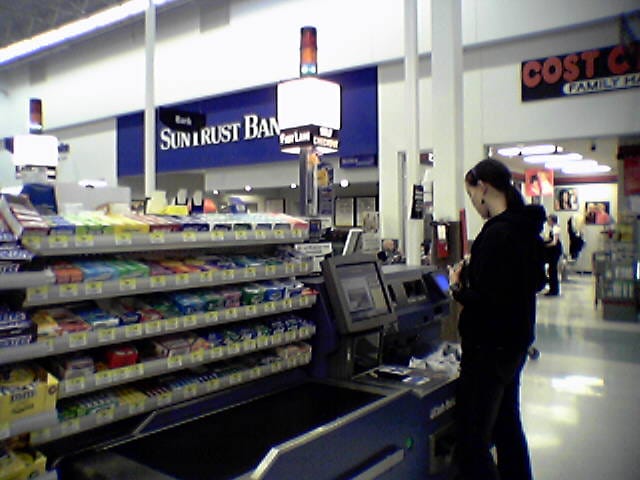
Self-checkout was supposed to save on labor costs and speed up the line. Instead, retailers say, it also made theft easier — and starting around 2023, several chains began quietly walking it back.
Dollar General moved to convert many self-checkout lanes back to staffed registers, citing loss prevention. Walmart removed self-checkout entirely at a handful of stores as a trial. Target and other chains capped self-checkout to carts under a set number of items, pushing larger orders back to a cashier.
Costco, which never fully trusted the format, has staff check receipts against cart contents at the exit of every store — the "self" in its self-checkout has always been supervised.
Estimates of self-checkout-linked losses vary widely across the industry, but retailers are acting on the trend line rather than the exact number: fewer unattended registers, more employees watching the ones that remain.
Filed from public reporting:


