
Investigations
Somebody kept paperwork, and eventually somebody else read it.
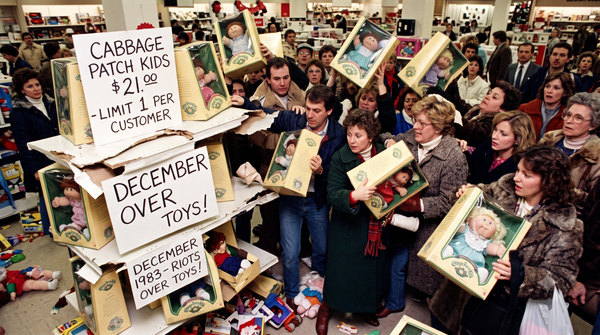
Cabbage Patch Kids Were $21. In December 1983, Adults Rioted Over Them Anyway.
In December 1983, adults broke down doors, threw boxes at each other, and got trampled in department stores over a soft-bodied doll with yarn hair that retailed for $21. Coleco's Cabbage Patch Kids were the must-have gift of the season, supply couldn't come close


AOL Promised Unlimited Internet in 1996. It Forgot to Build Enough Modems.
In December 1996, America Online did something customers had been begging for: it stopped charging by the hour and offered unlimited access for a flat $19.95 a month. Customers responded by logging on and never logging off. Within weeks, AOL's modem banks couldn't handle the
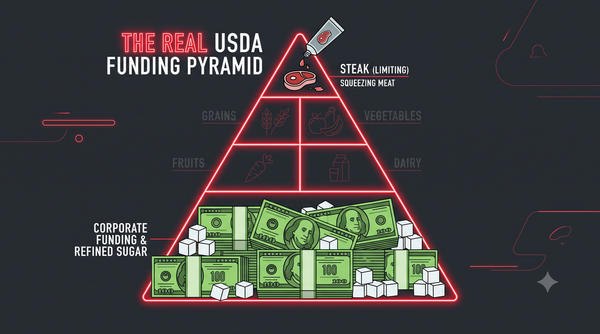
The Sugar Industry Paid Harvard to Blame Fat for Heart Disease. The Food Pyramid Never Recovered.
Underneath the glossy "MyPlate" graphics lies a paper trail of sugar cartels buying off Harvard researchers, the cattle and dairy lobbies throwing million-dollar tantrums to redesign government graphics, and politicians frantically redlining their own reports to appease the meat industry.
A Study on Honesty Turned Out to Be Built on Fabricated Data. The Metadata Named the Author.
In 2012, a study on honesty was published in one of the most respected journals in American science. It claimed that having people sign an honesty pledge before filling out a form, rather than after, made them report more truthfully — a tidy, citable, real-world-tested finding. Nine years later,

Britain Played the "Think of the Children" Card to Build a Digital Checkpoint. A VPN Became the #1 App.
For as long as pornography has existed online, proving you were old enough to see it meant clicking a button that said so.

A $73-a-Week Clerk Got a Credit Card With No Income Check. He Spent $10,000 in a Month.
In September 1959, a Manhattan clerk named Joseph Miraglia filled out an application for a Carte Blanche card, honestly wrote down his salary — $73 a week — and got approved anyway. Within a month he'd charged roughly $10,000 across three countries. The card company had built its entire
Netflix's 'Unlimited' DVD Plan Had a Secret Formula for Who Actually Got Unlimited
Same price, same plan, different service — depending on how seriously you took the word 'unlimited.'

Every Rule at Airport Security Has a Name, a Date, and Exactly One Guy Who Ruined It for Everyone
Your shoes, your shampoo, and your laptop are all inconveniencing you because of specific people on specific flights on specific dates — decades ago.
Wells Fargo Employees Opened 3.5 Million Accounts Nobody Asked For
To hit impossible sales quotas, employees just invented the customers who'd hit them. The customers found out when the fees did.
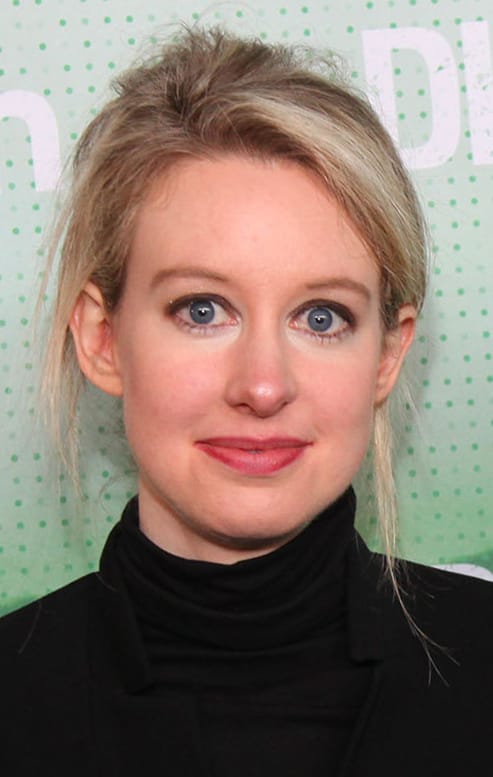
Theranos Promised a Blood Test Revolution and Delivered a Fraud Conviction
The device that was supposed to run hundreds of tests on a finger-prick of blood mostly ran on investor faith and unmarked competitor's machines.
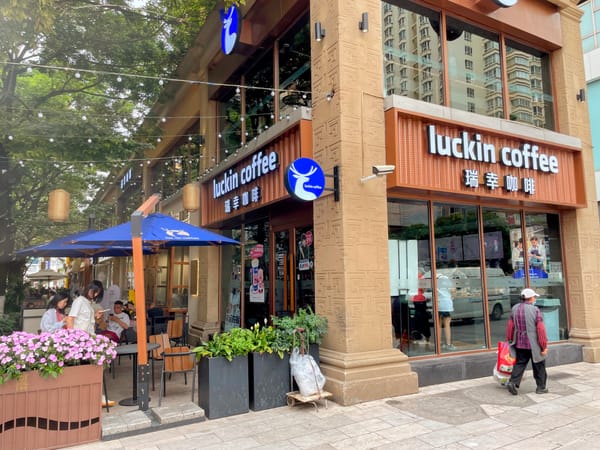
Luckin Coffee Faked $310 Million in Sales to Look Like the Next Starbucks
A short-seller sent people to count customers in and out of stores by hand. It turned out to be the most reliable accounting Luckin had.

Cheating in Video Games Started With a Debug Code a Developer Forgot to Delete. It's Now a $293 Million Subscription Industry.
What began as an accidental button sequence in a 1986 shooter is now aimbots-as-a-service, kernel-level anti-cheat spyware for the honest, and a black market bigger than most film releases.